







Industrialized Construction
Efficient. Sustainable. Controlled.
The two leading threats to projects are labor and market volatility. Industrialized Construction lessens these risks through agile procurement and factory fabrication. The call for compressed schedules, dependable cost, and higher quality is often best answered in a controlled environment
01
Volumetric Modular
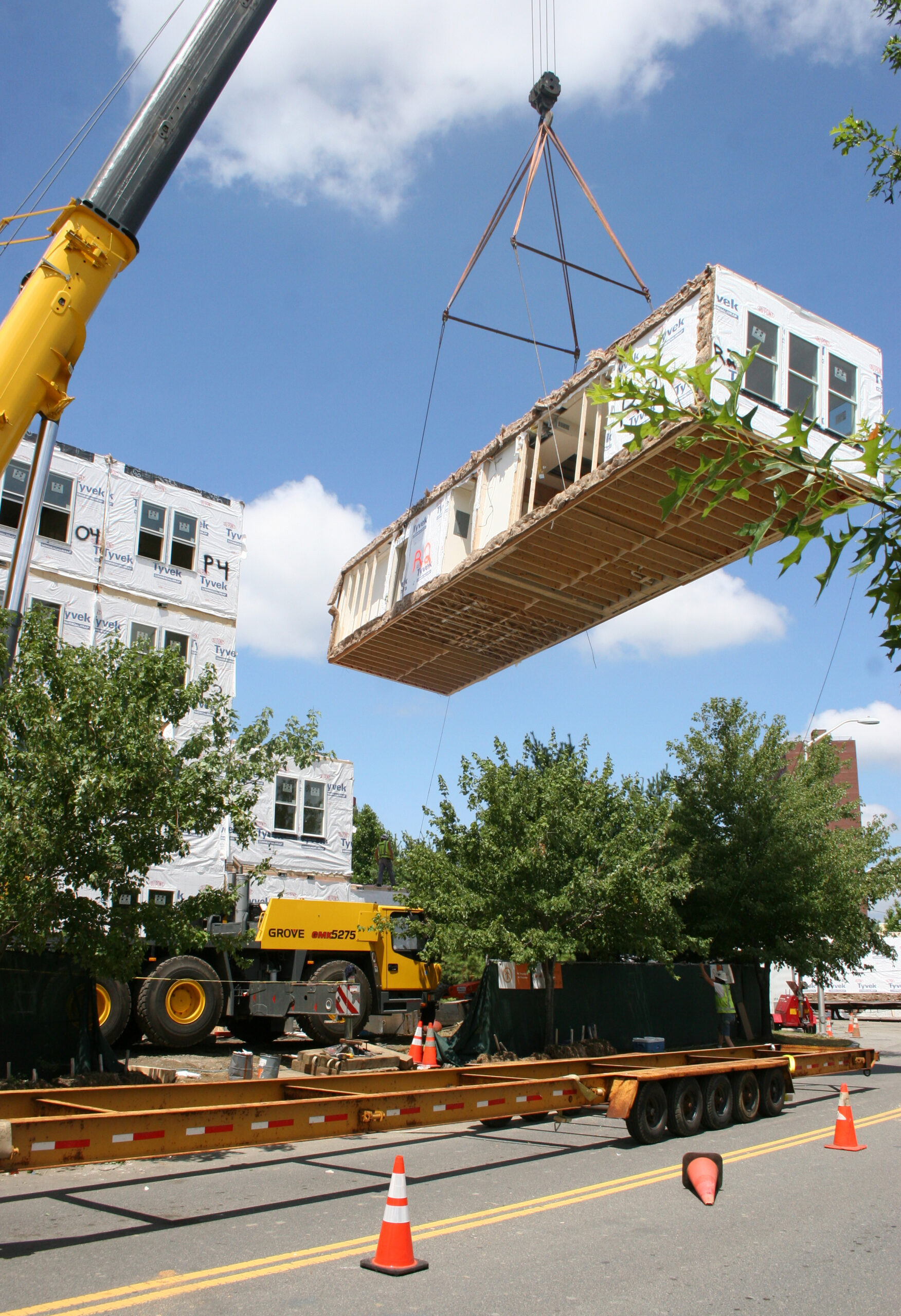
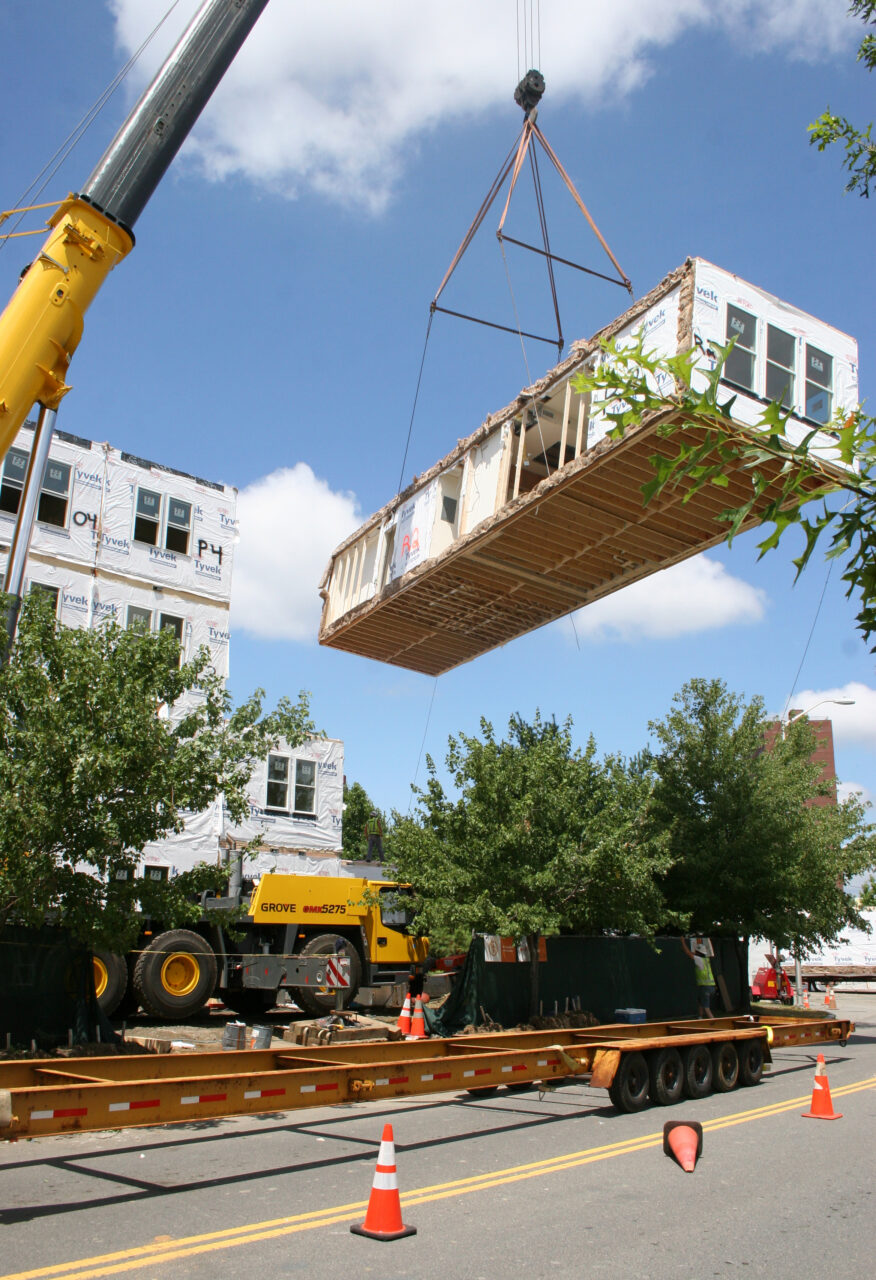
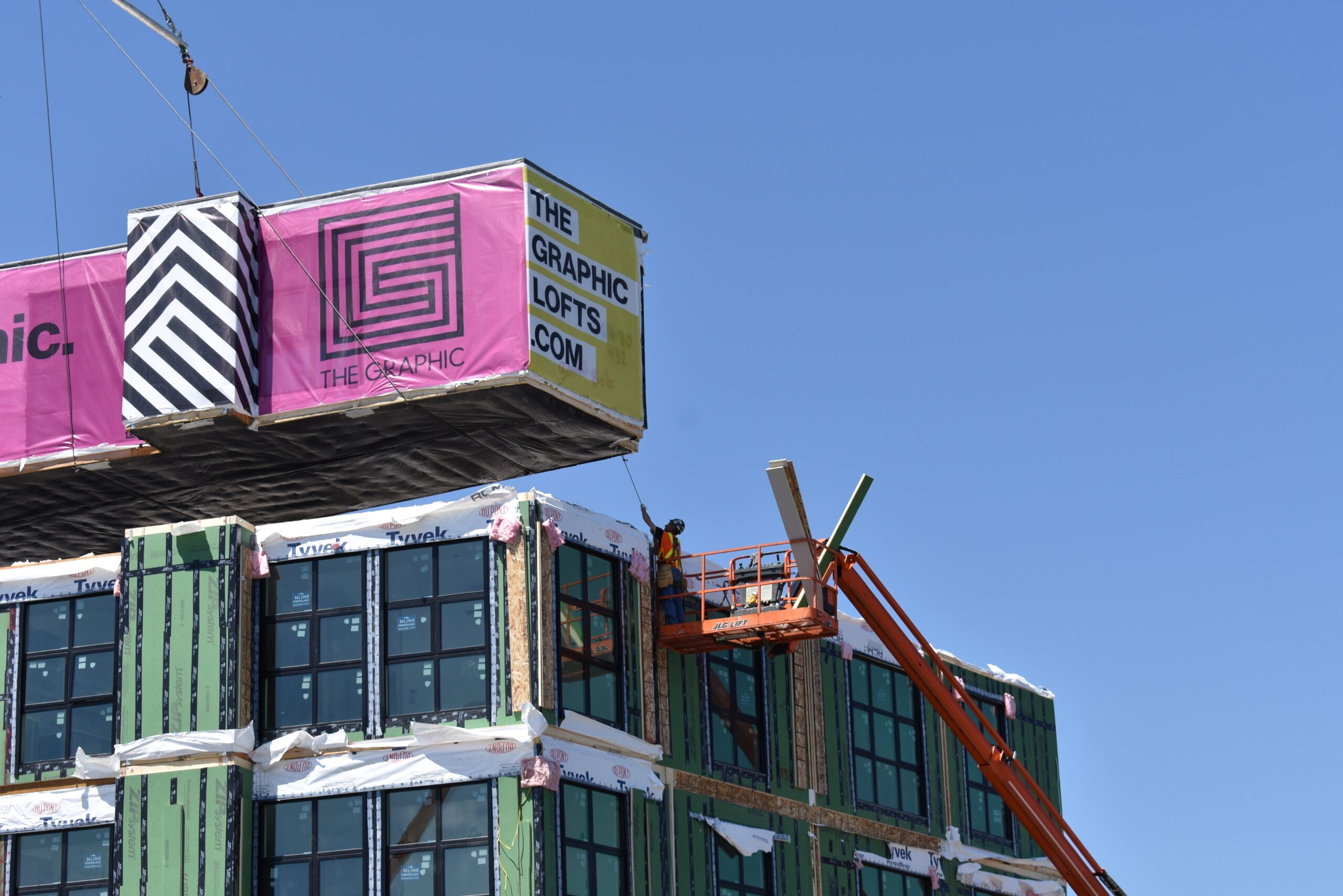
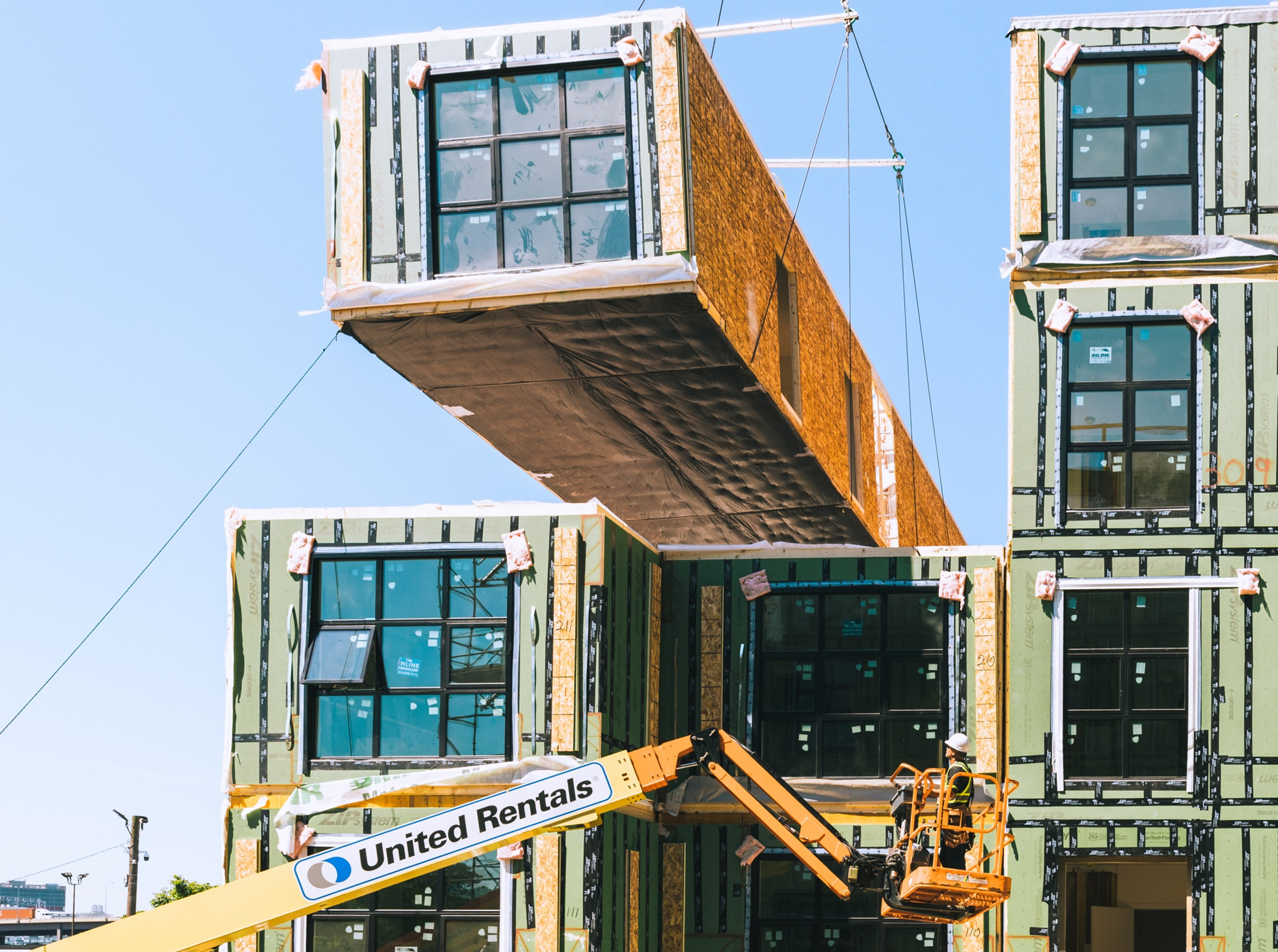
Volumetric modular is a method of building where sizable, prefabricated sections, called “modules,” are finished off-site in a factory, then transported to the construction site to be stacked and joined together to form a complete structure. Volumetric modular building holds the highest potential for significant cost reduction and sustainability gains
It is the most assembled form of prefabrication which prioritizes larger, more finished modules compared to other methods like panelized construction or componentization.
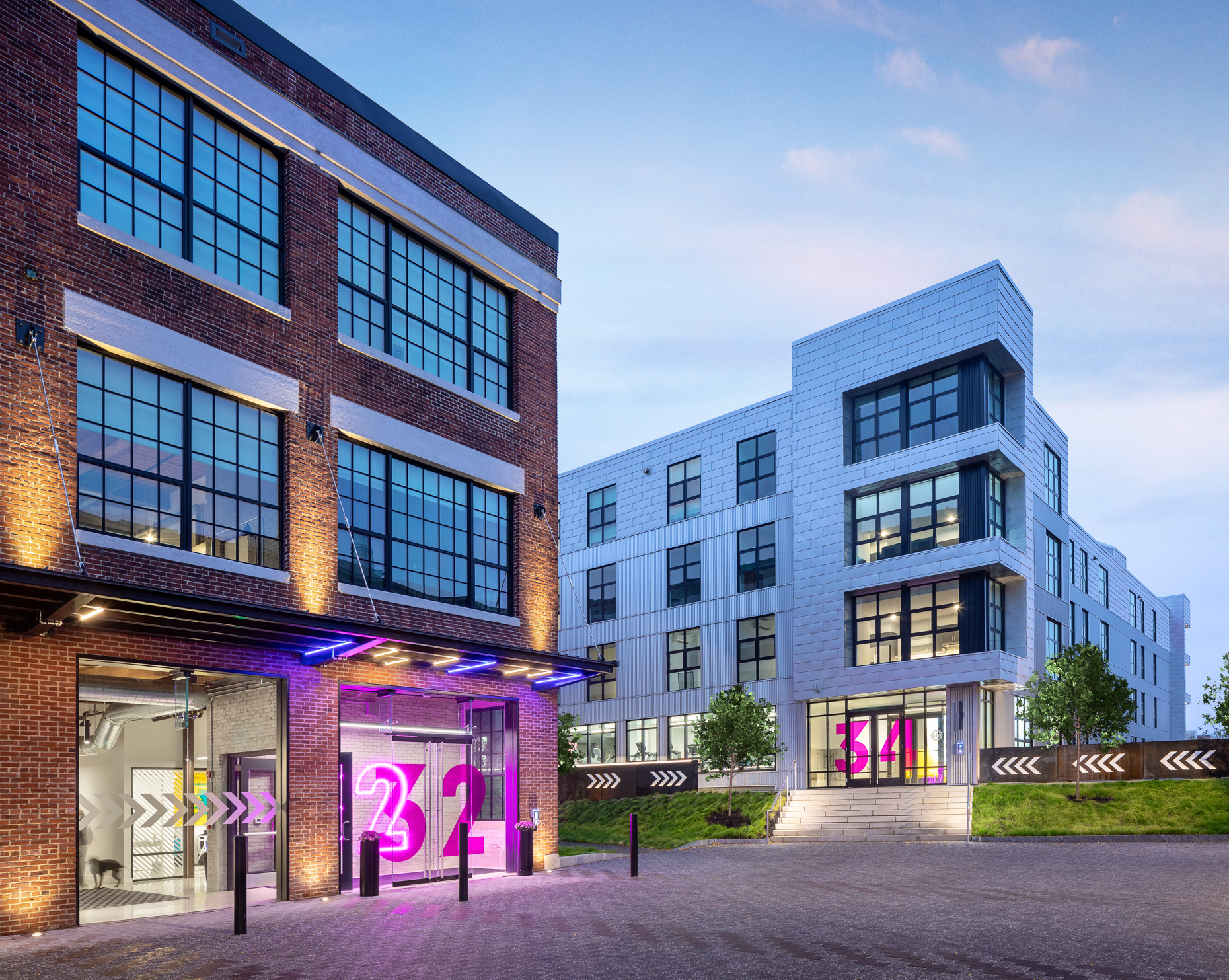
Building Smarter, Faster, and Greener in Charlestown
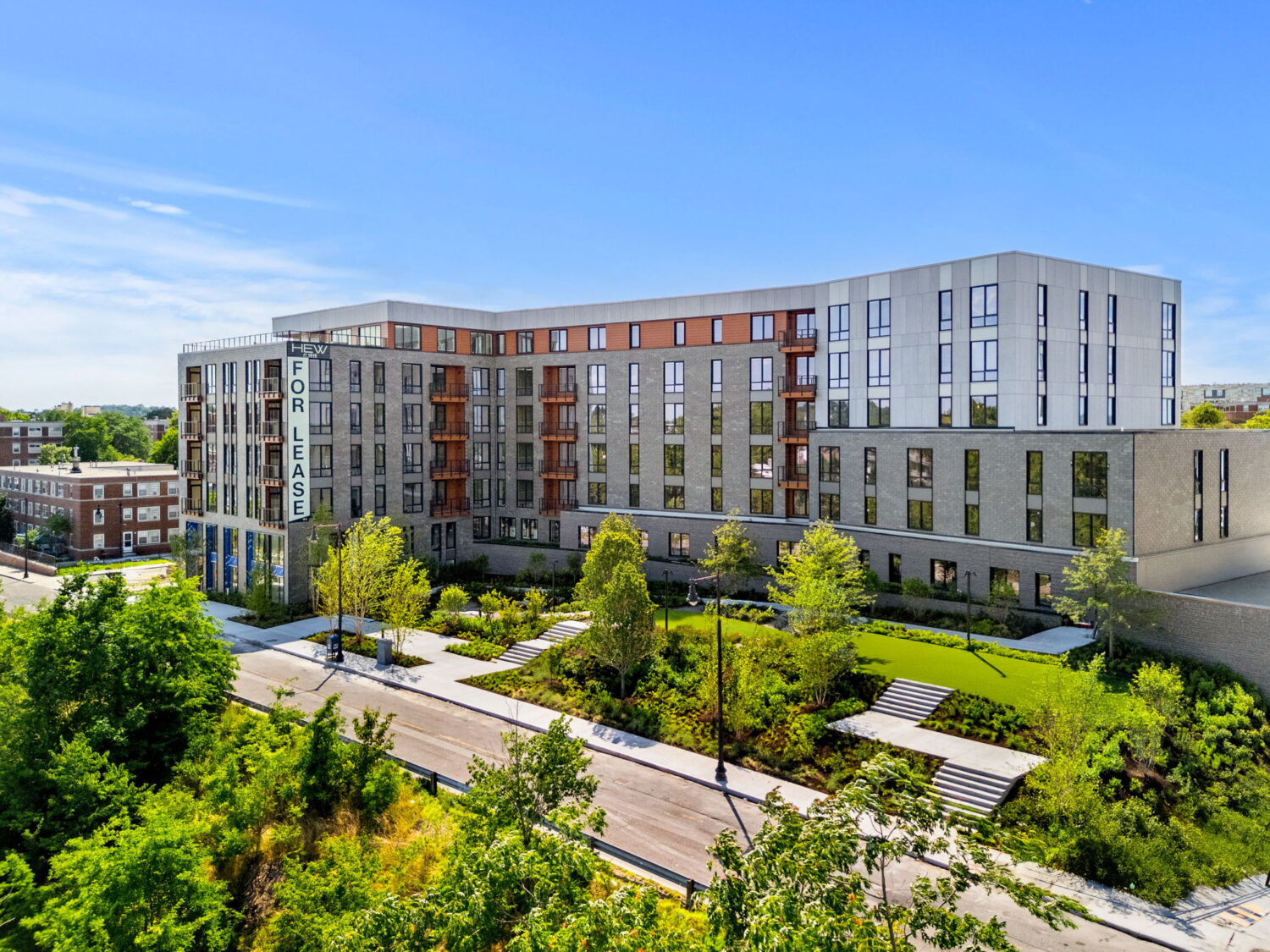
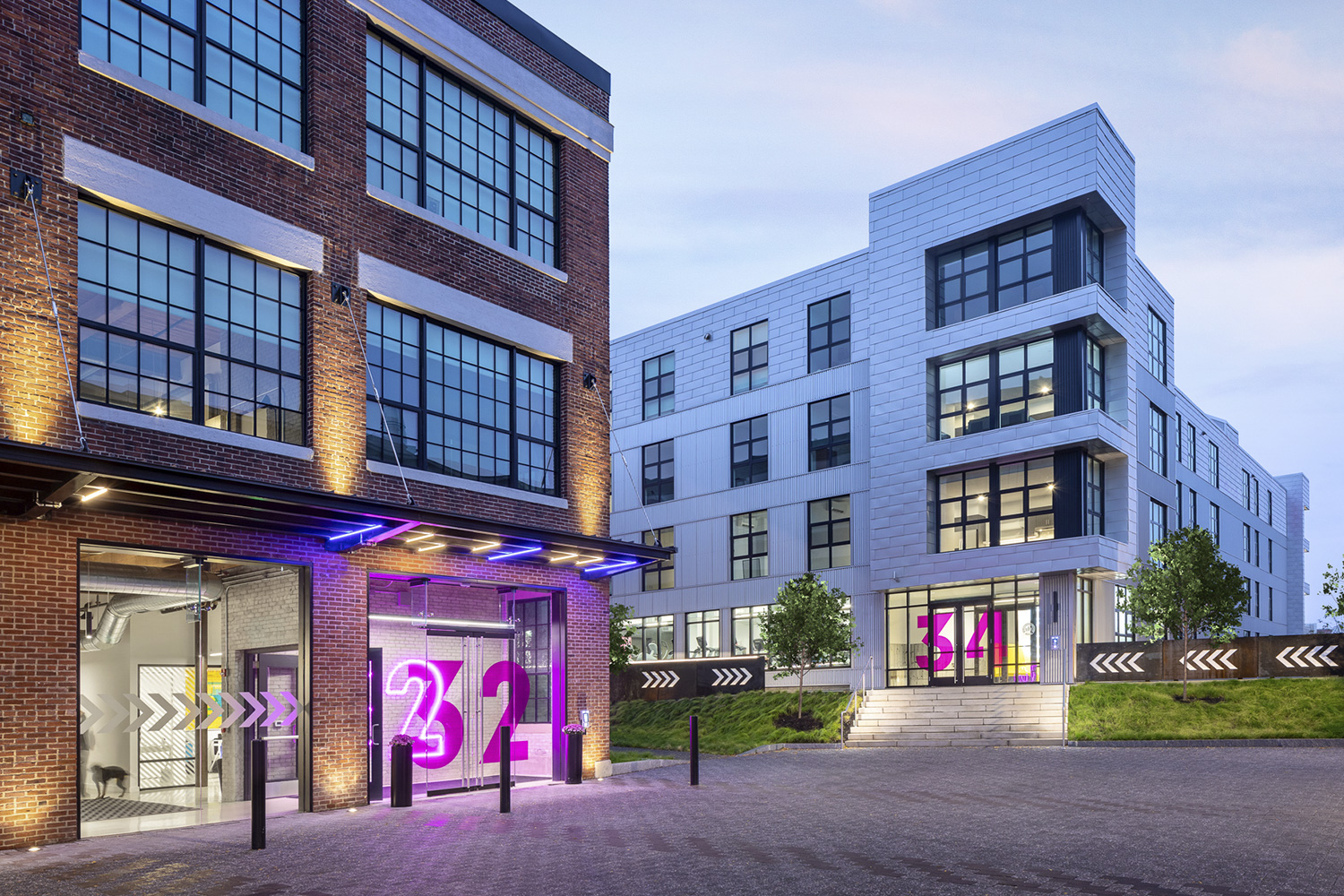
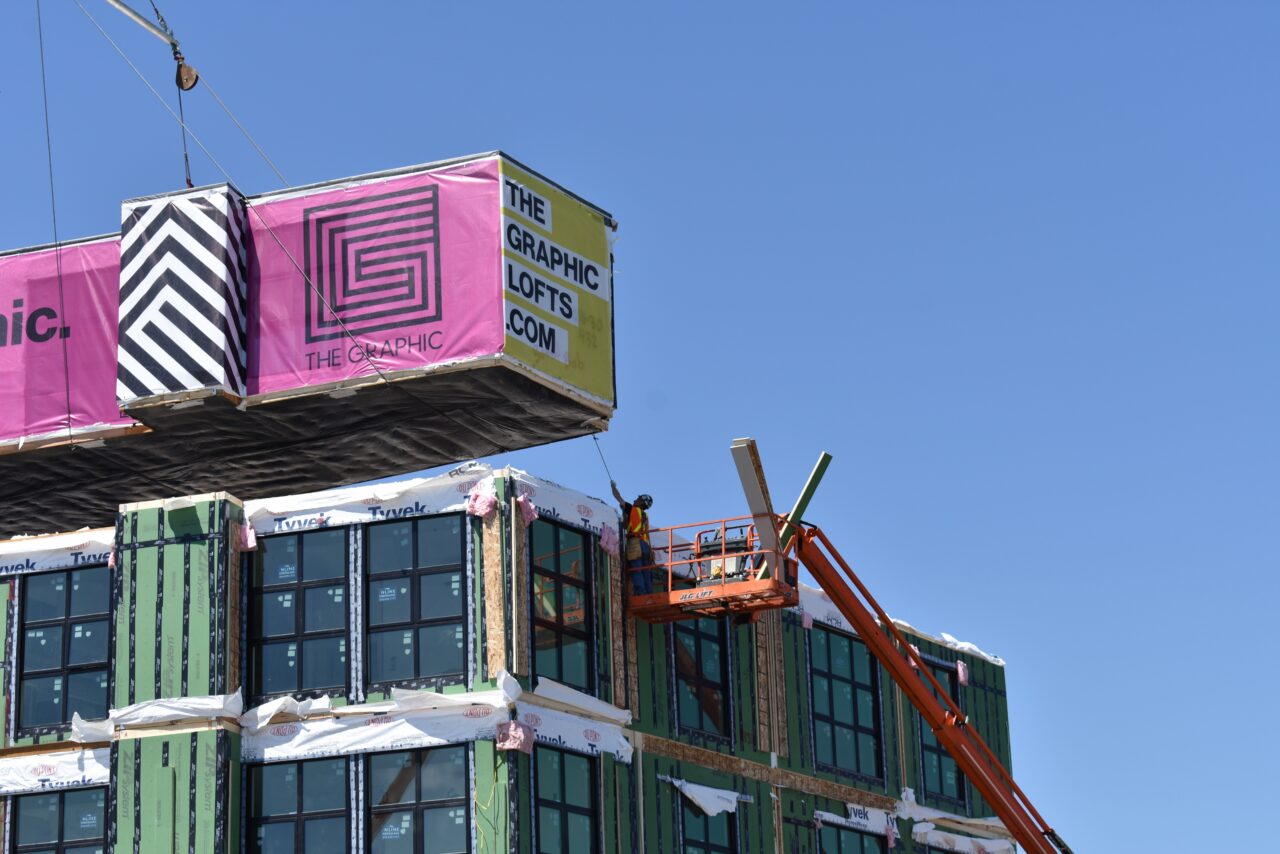
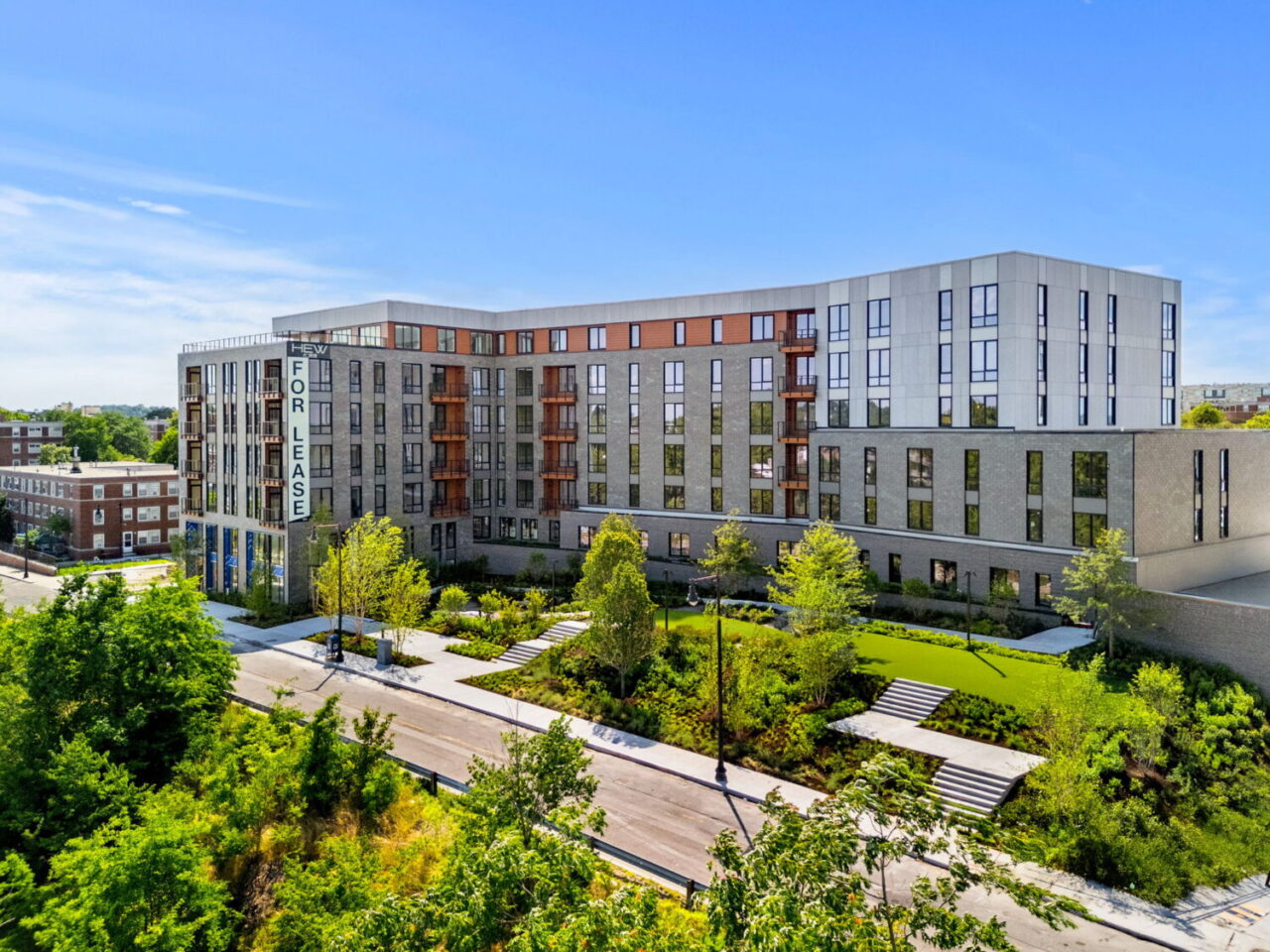
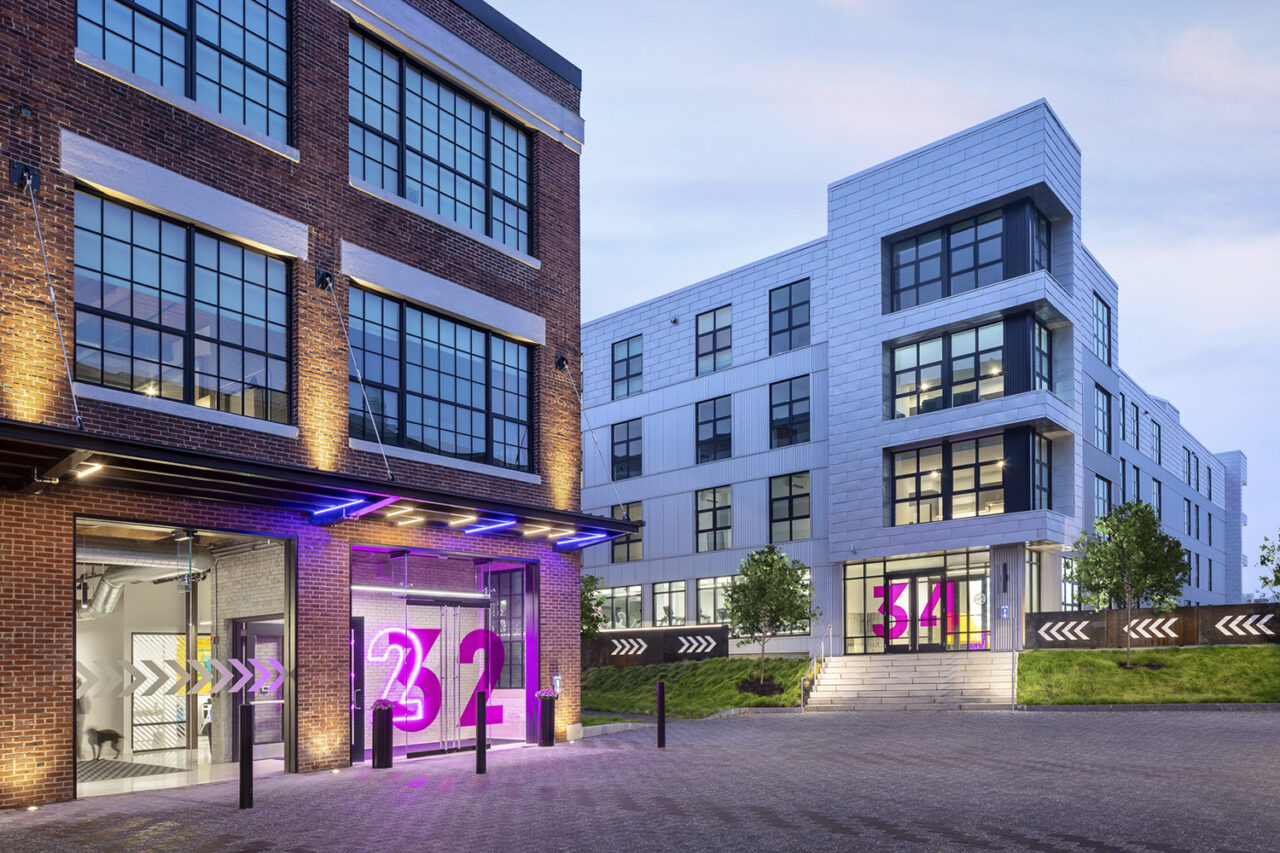
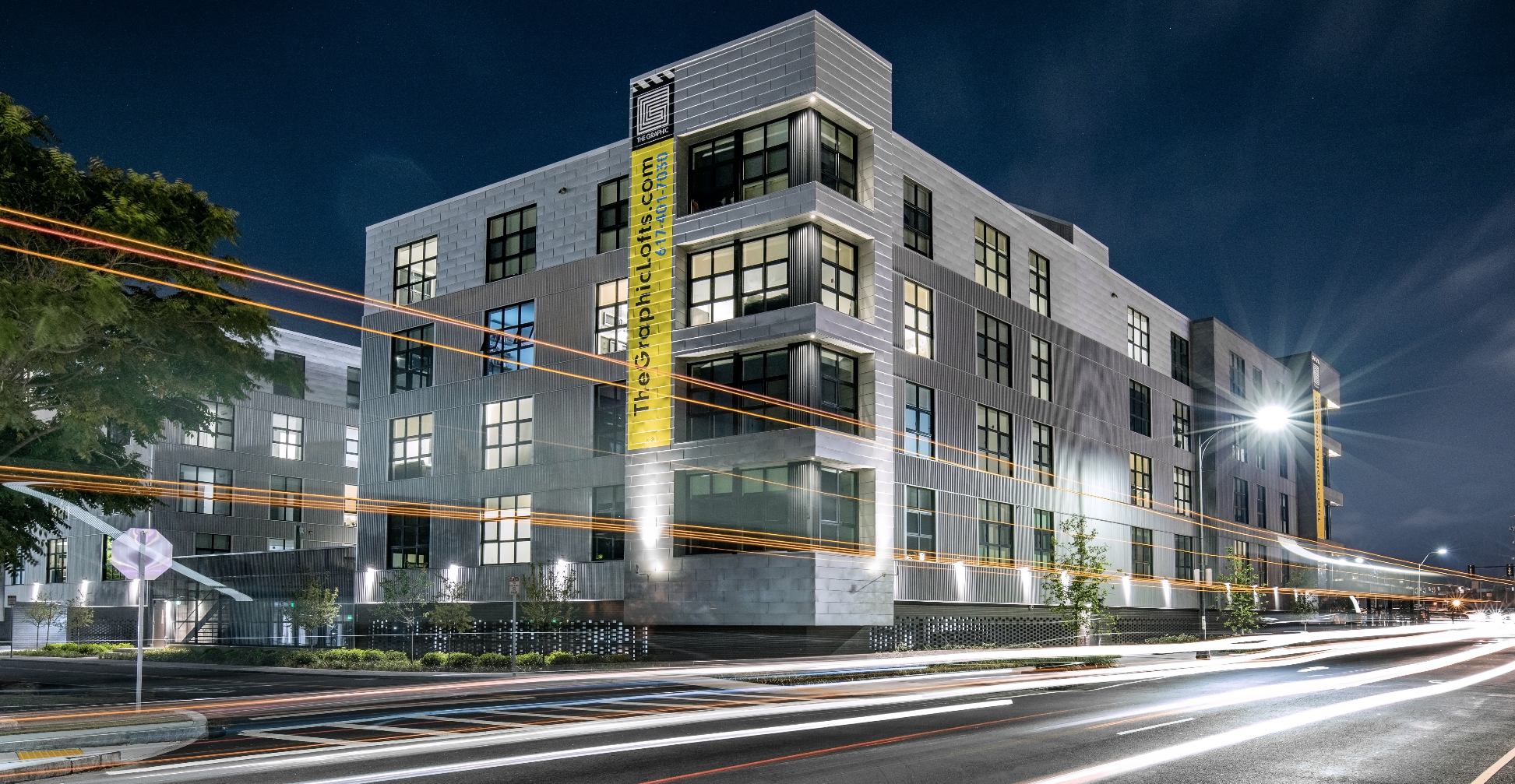
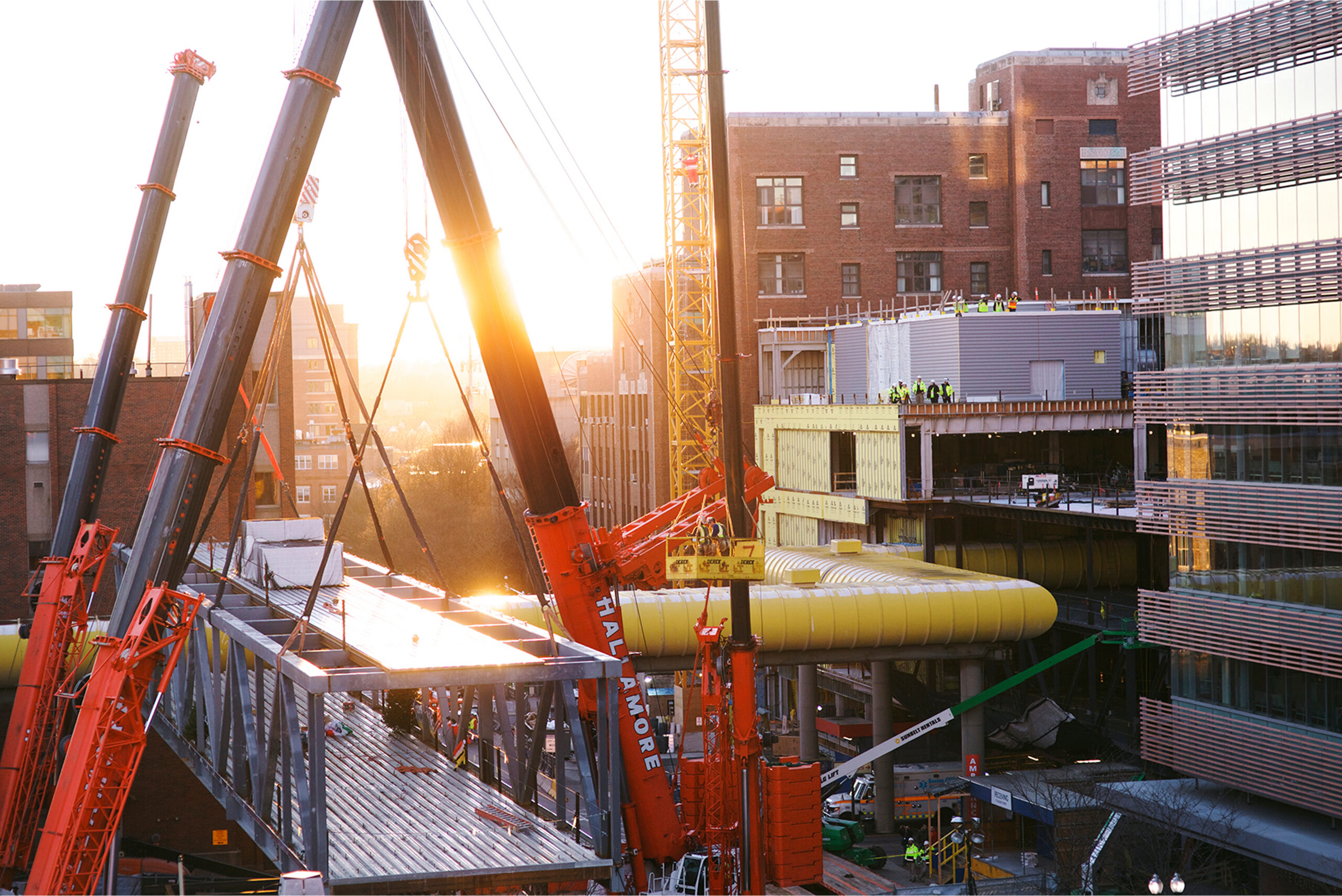
The Graphic is a standout project in Charlestown’s Sullivan Square that combines the adaptive reuse of the former Graphic Arts Finishers Building and 29 modular boxes to create 171 residential units. Each modular boxed used for this project weighed anywhere from 30,000 to 35,000 pounds, and it took approximately 20 minutes each to lift and position into place. Built with efficiency, sustainability, and reduced neighborhood disruption in mind, this project is one of Boston’s largest modular residential buildings.
02
Componentization
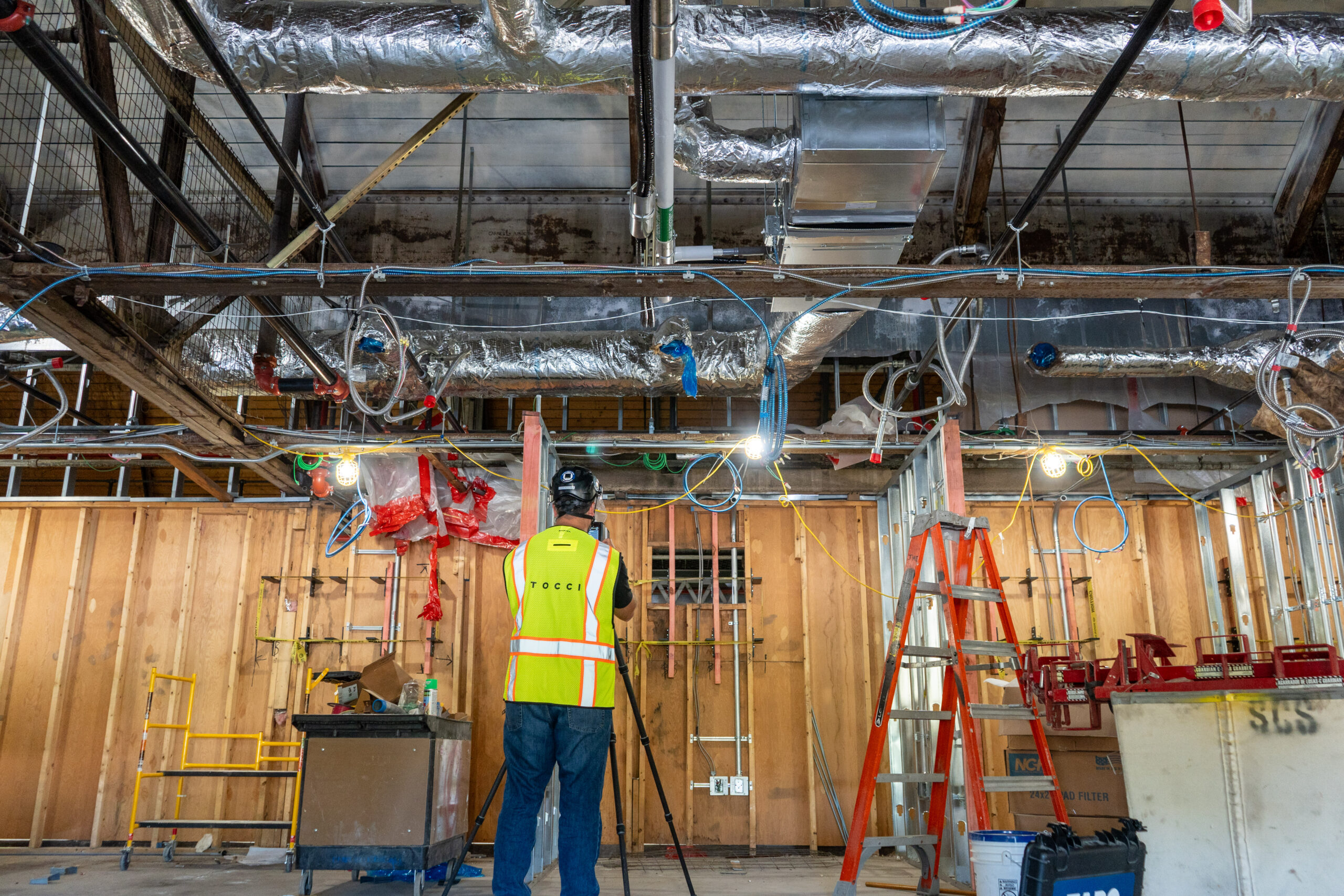
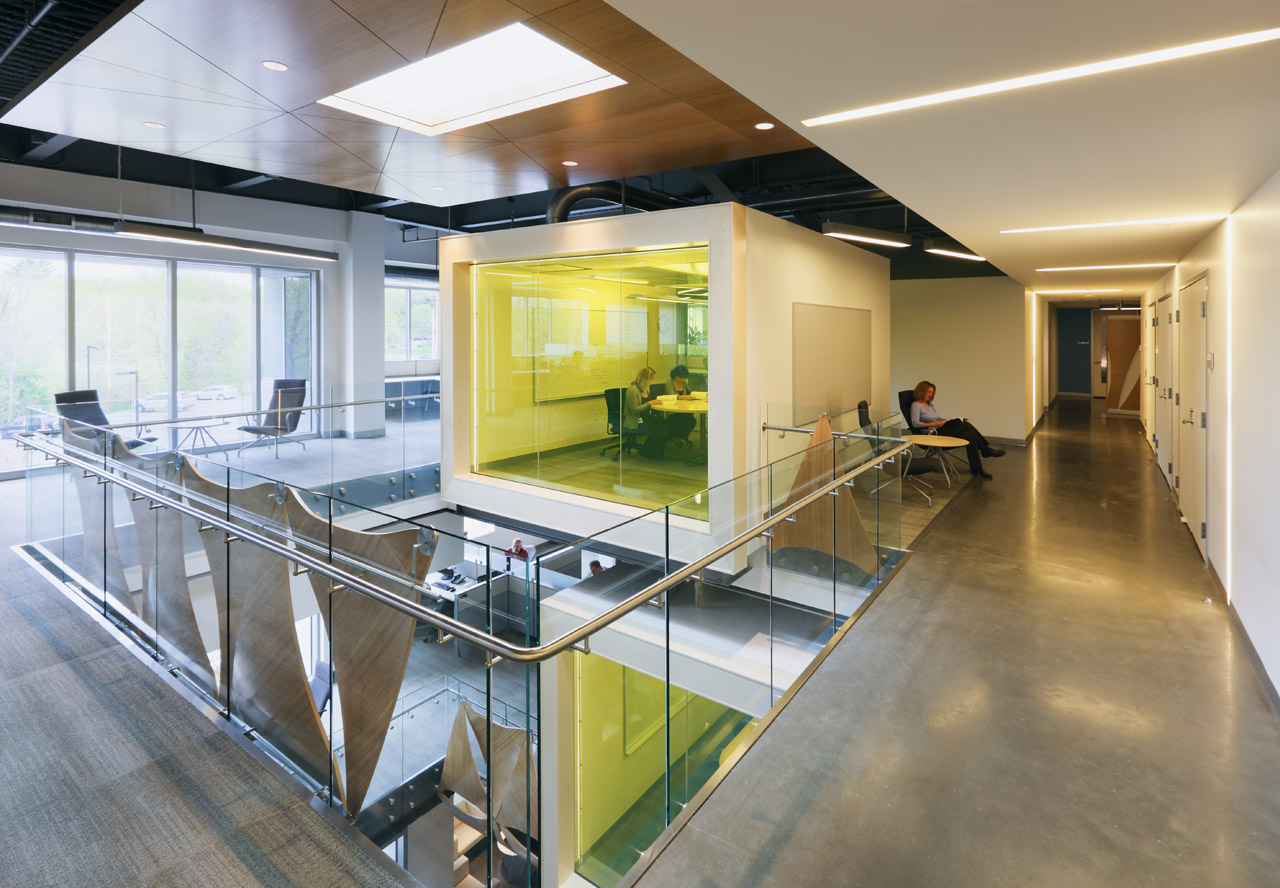
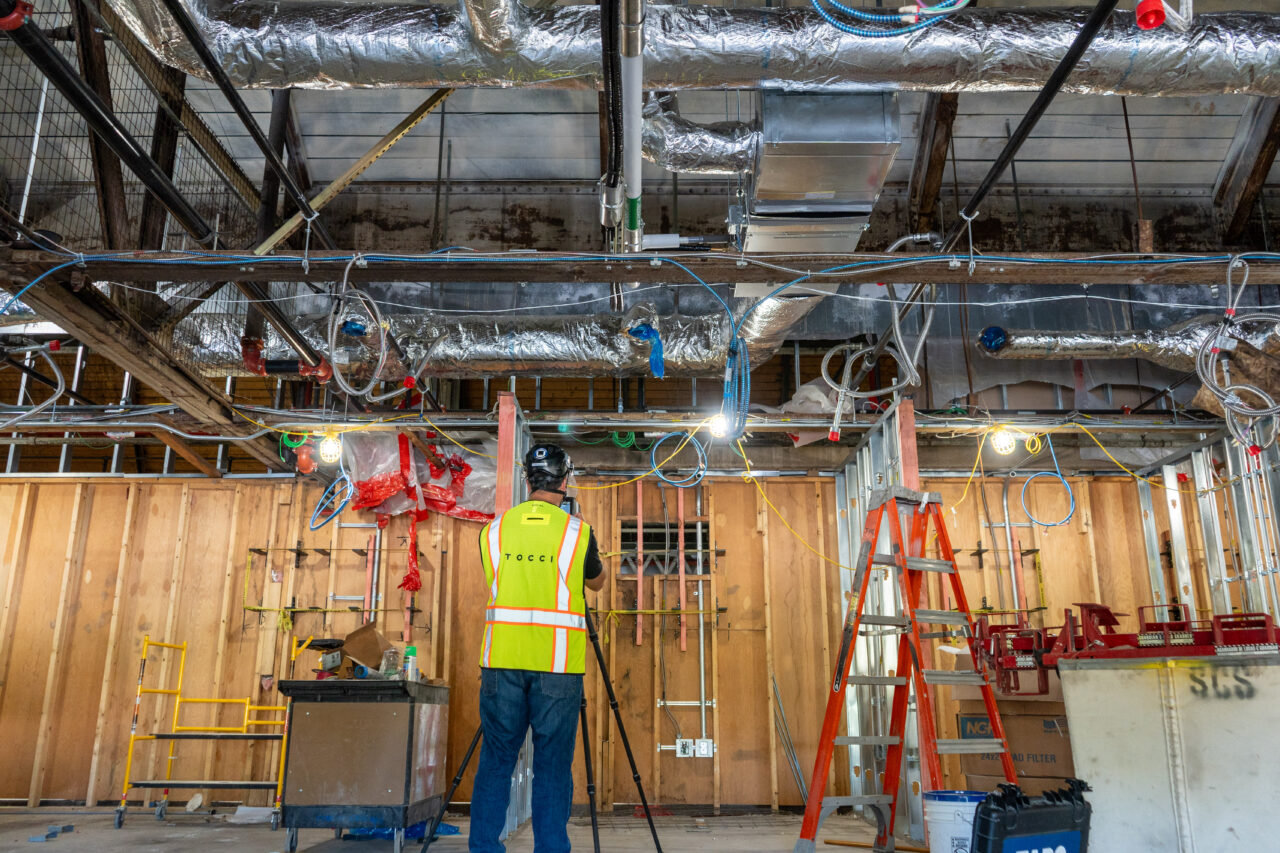
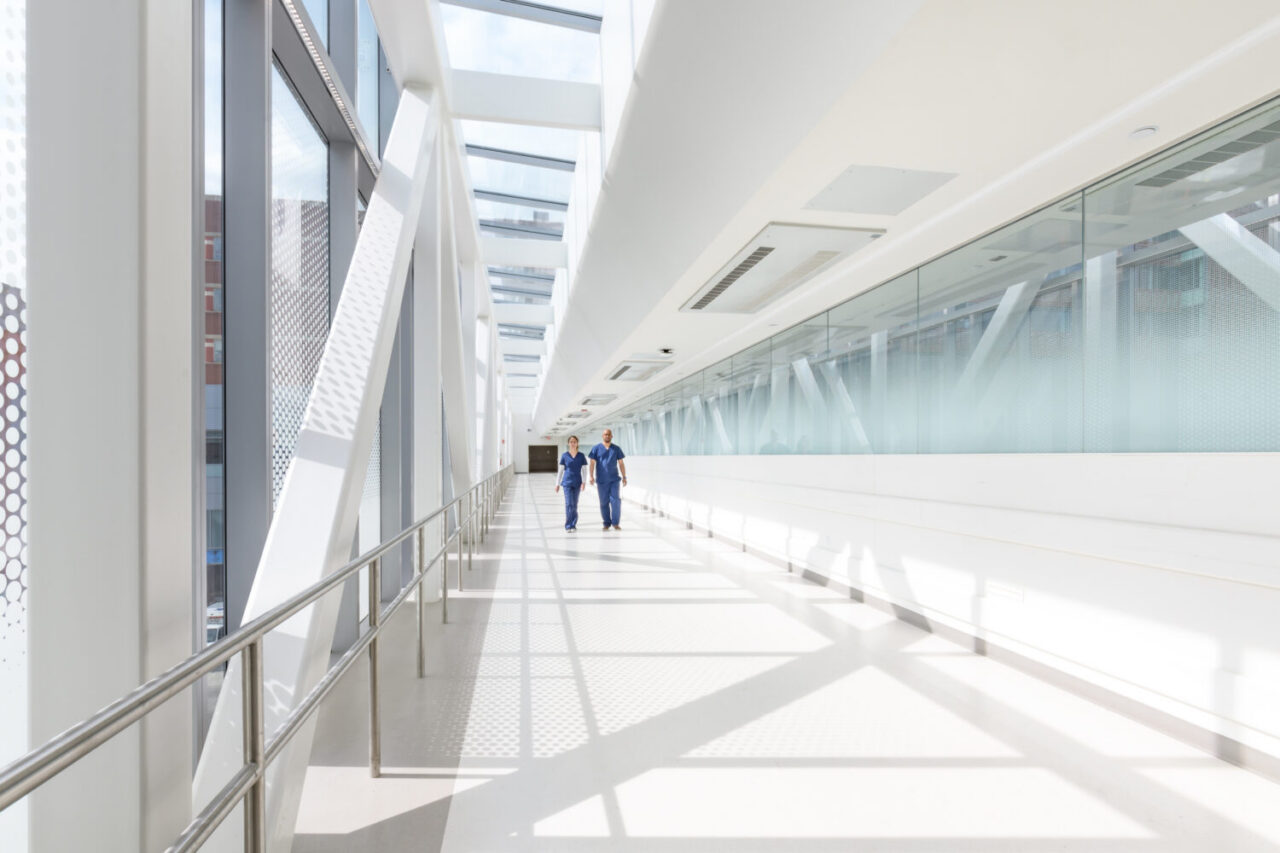
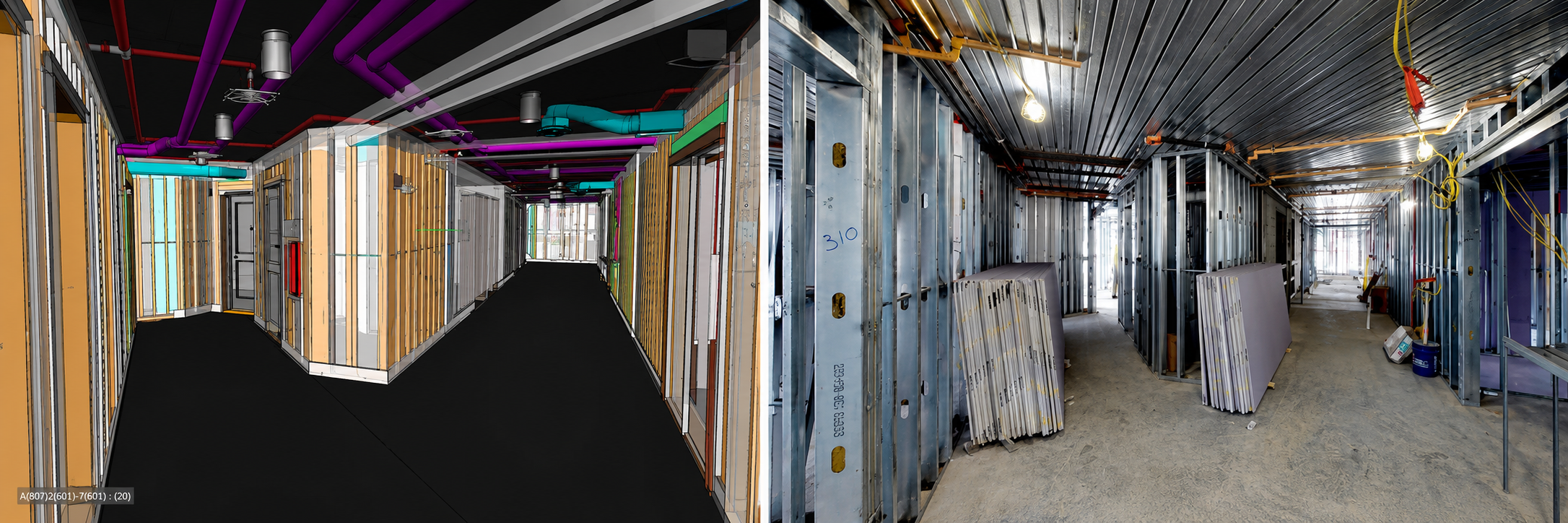
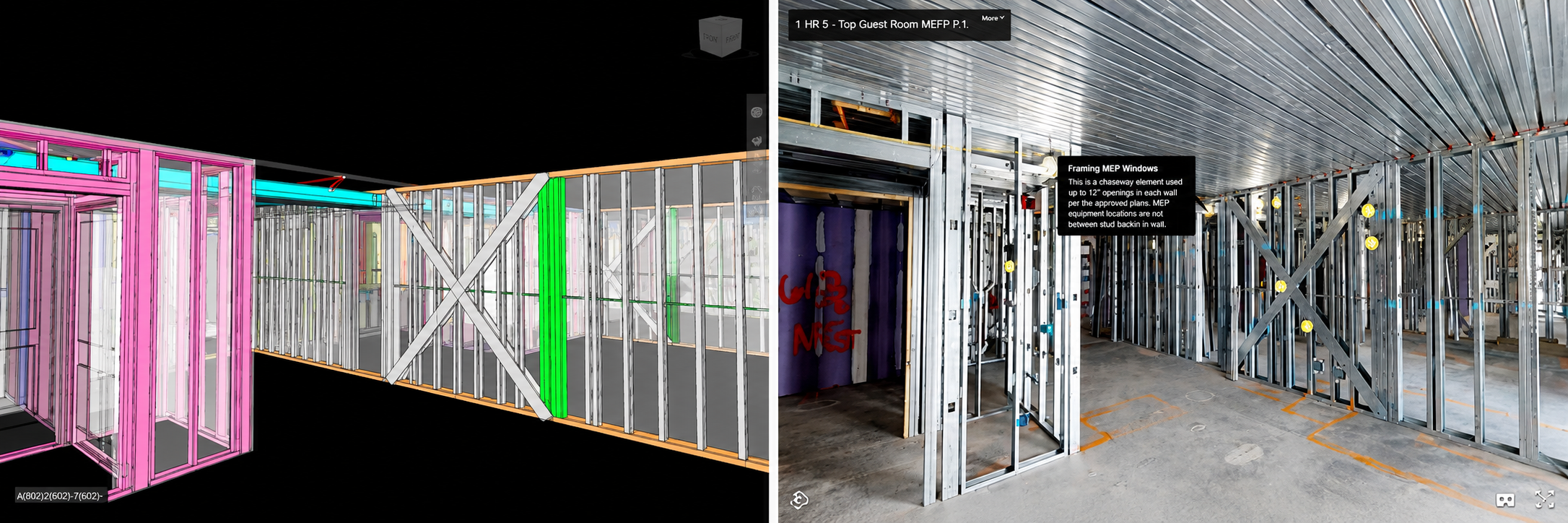
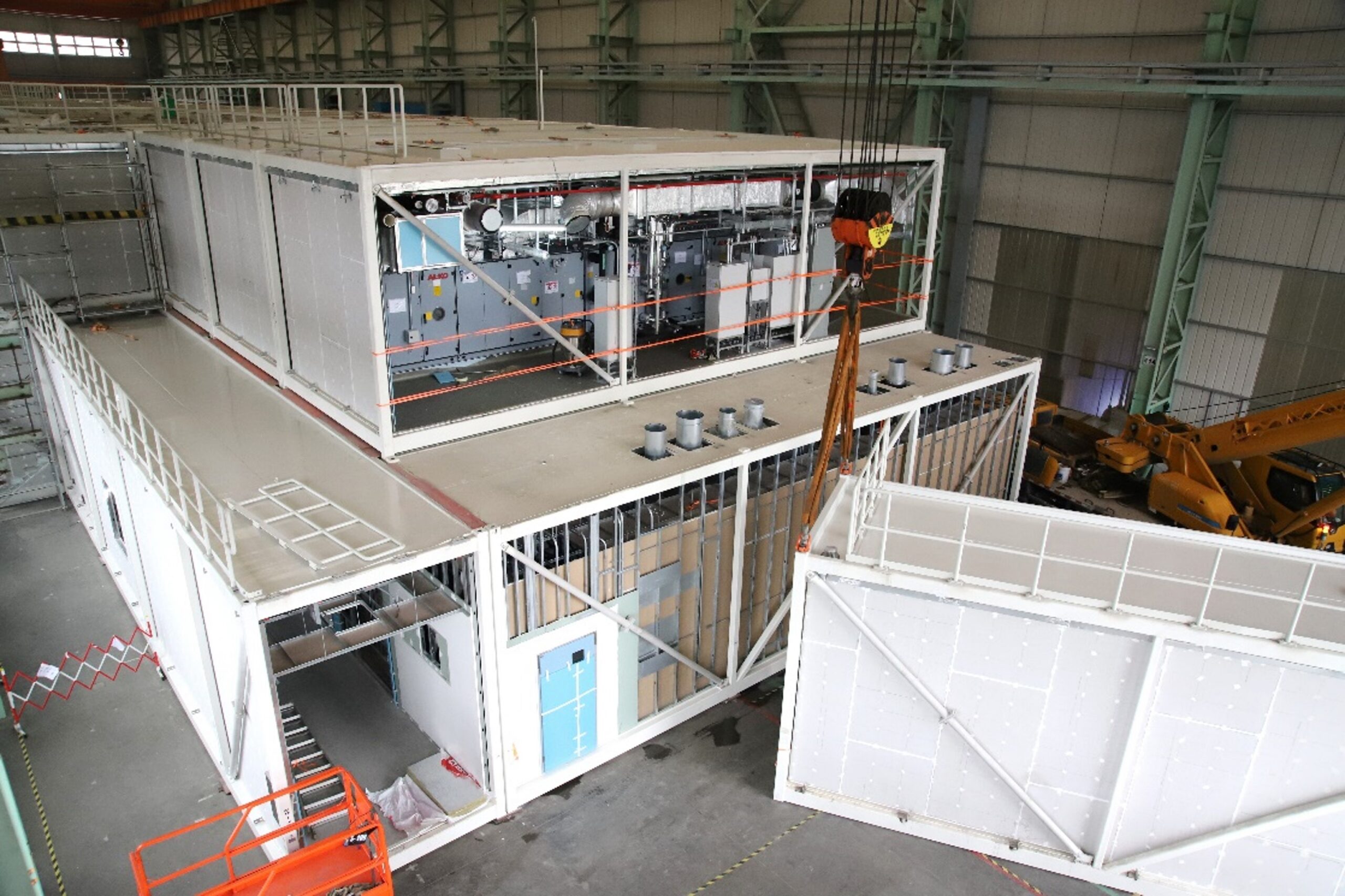
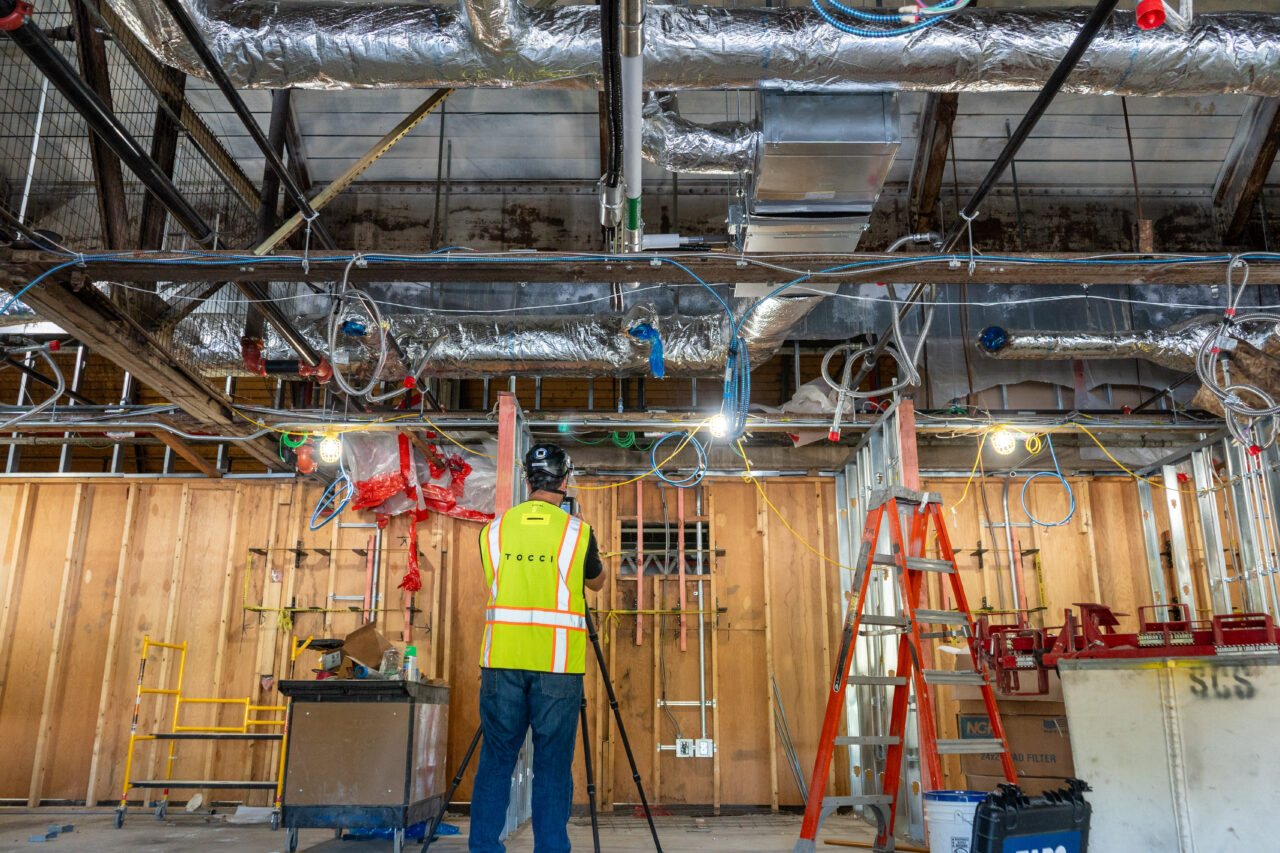
Componentization is the second most preassembled form of fabrication. It often focuses on important, congested areas where several utilities, systems and trades intersect at critical locations—i.e.hospital room headwalls, operating rooms, mechanical and electrical rooms, and corridor plenums.
Componentization is associated with areas of complex, multi-trade work which yields high-qualityresults.
03
Panelization
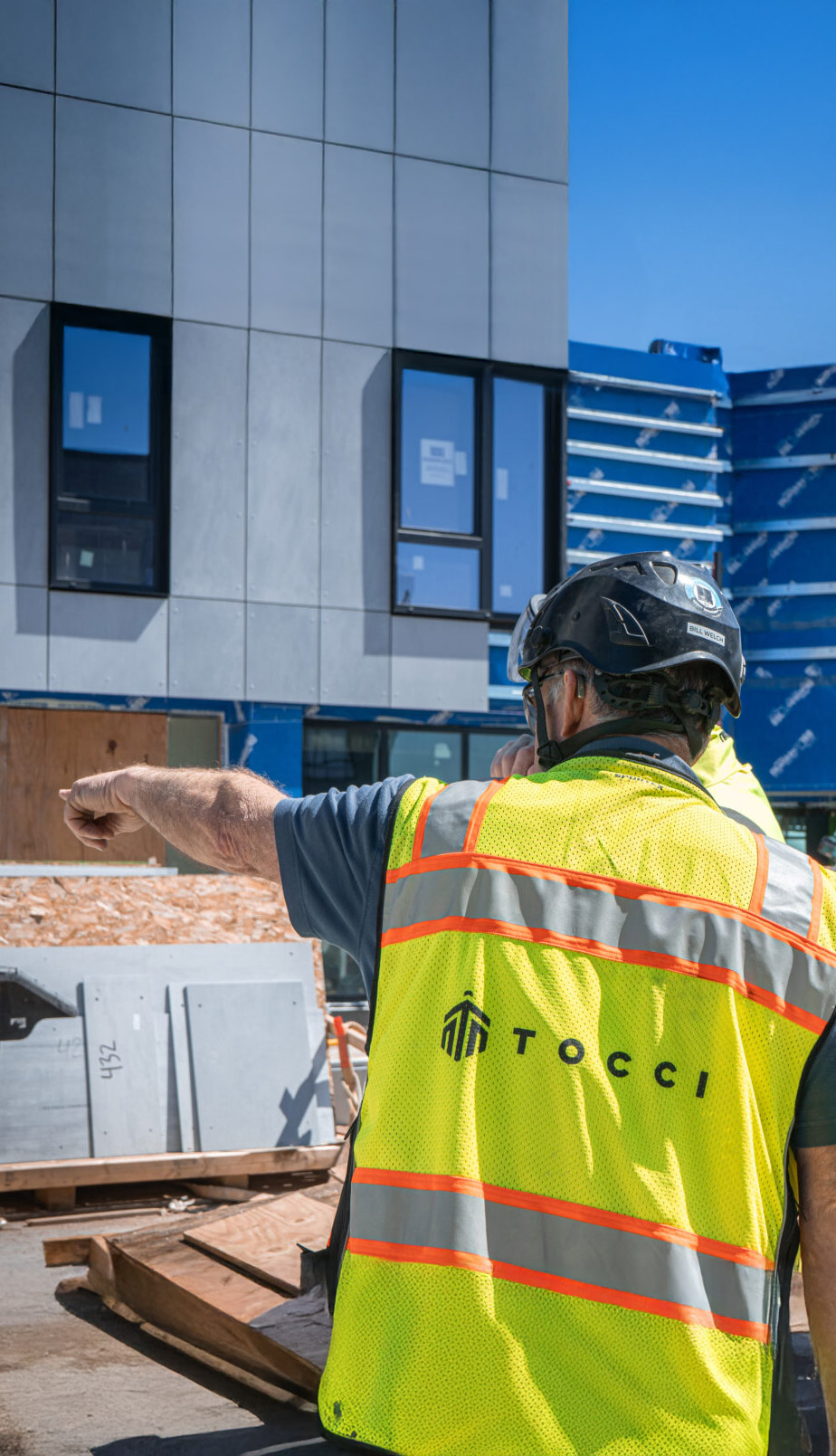
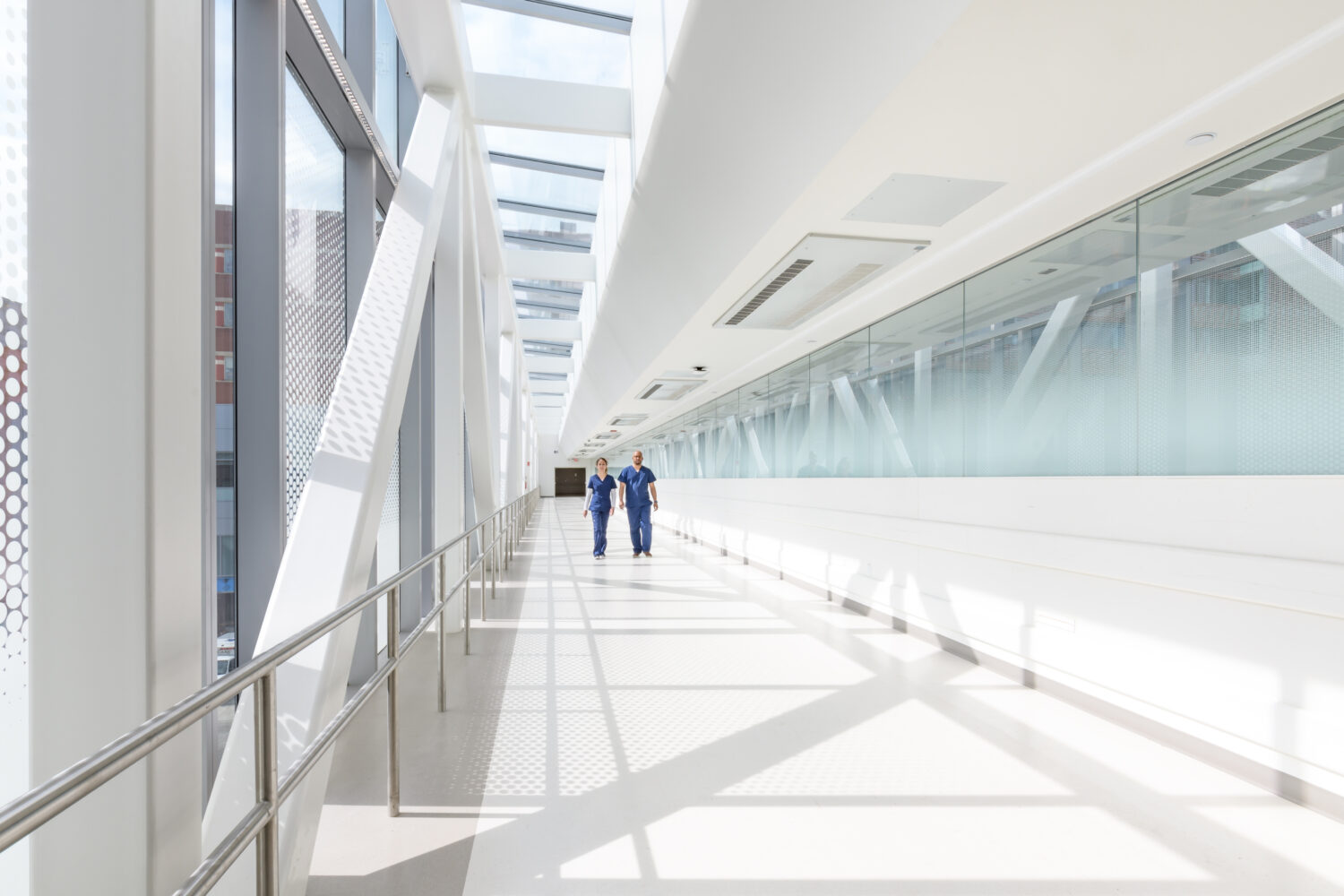
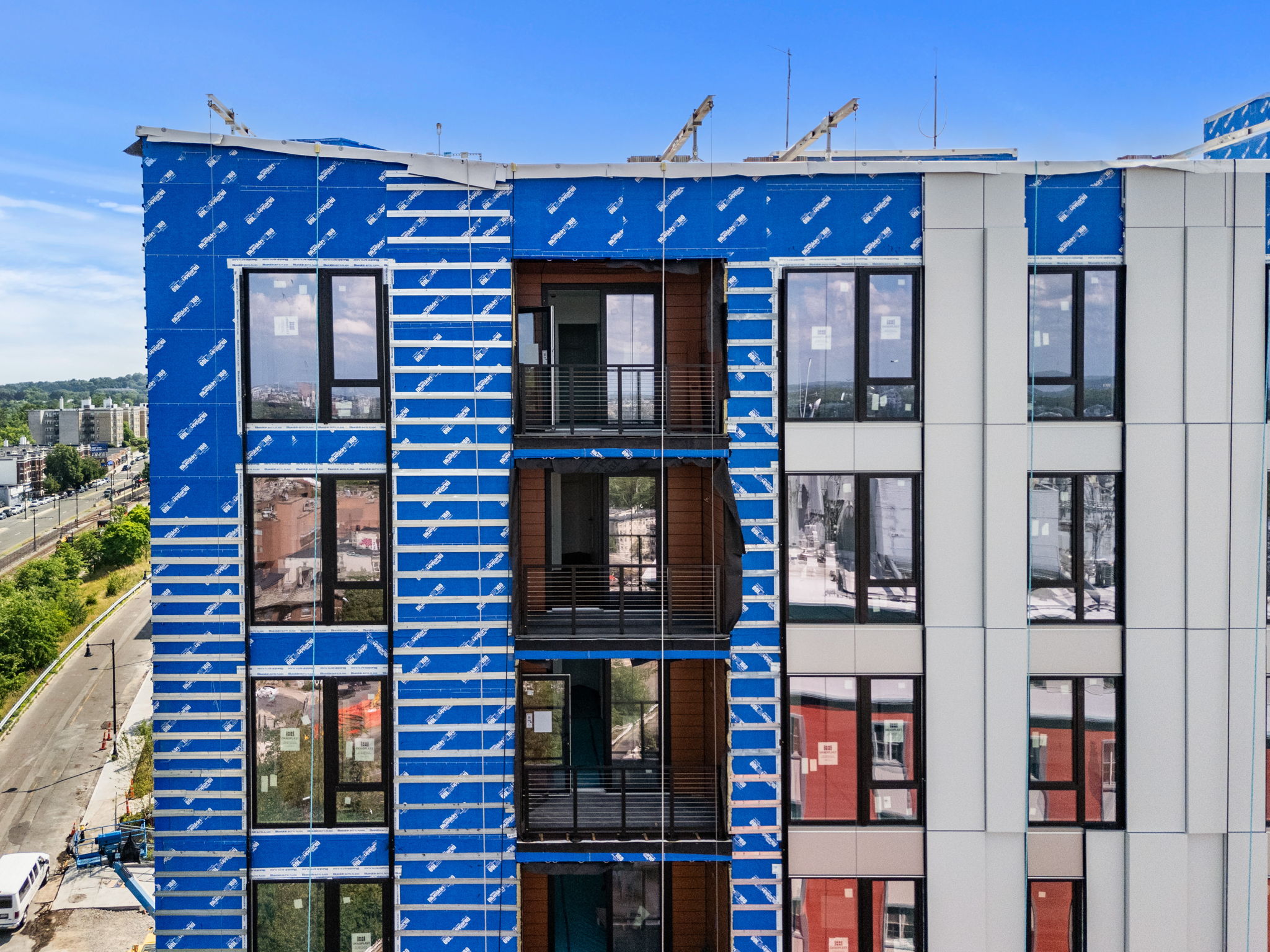
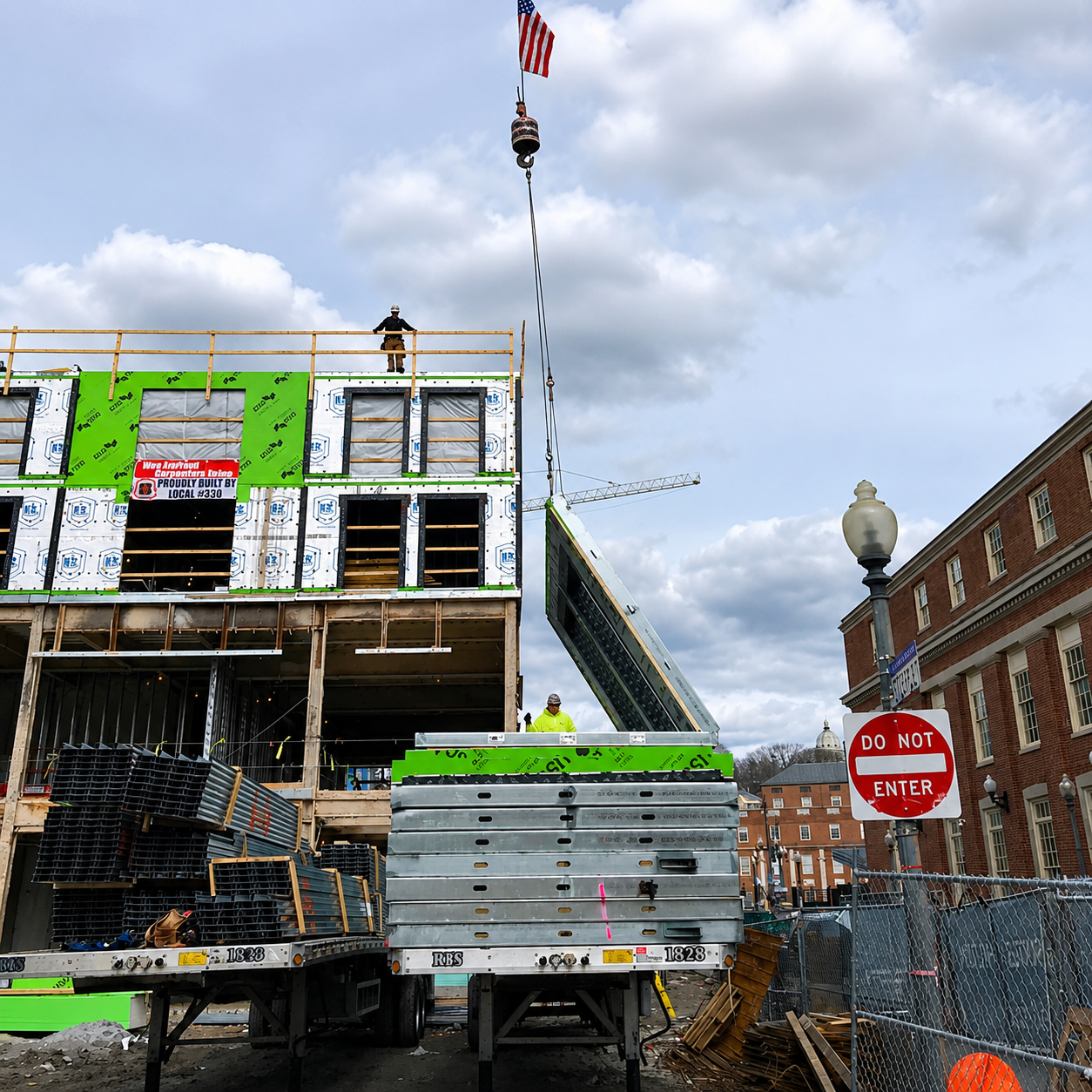
In panelized construction, wall, floor, or roof sections (panels) are prefabricated offsite then transported to the job site for assembly. Flat panels are fabricated from common building materials such as wood, metals, concrete, and glass. They typically include insulation, MEP’s, glazing or exterior finishes.
Panelized construction blends much of the factory efficiency of volumetric modular without the logistical challenges of transporting large, finished boxes.
04
Design for Manufacturing & Assembly (DfMA)
DfMA is a standard which optimizes building design for efficient fabrication and error-free on-site assembly, reducing costs via standardized component design. Integrating manufacturing and assembly principles into the original design minimizes waste, streamlines construction, and facilitates maintenance.
DfMA merges shop drawings into the design process.
Standardized: Eliminate costly variations in design. Lean Manufacturing for optimum efficiency.
Exact: CNC machinery and 3D printing produces accuracy unmatched on site.
Controlled: Factories are climate controlled–best for materials and workers.
Dependable: Daily factory production eliminates strikes, rehandling, and transportation delays.
Off-Site Inspections: Up to 60% of building inspections can be performed or eliminated in the factory.
Consistent Production: Light, temperature, and humidity are constant: free from winter conditions.
Simultaneous: Since site work and module fabrication happen concurrently, projects can be completed 30-50% faster than traditional methods.
Bulk: Bulk purchased materials flow with boring efficiency
Sustainability soars: Faster assemblies with 30% less waste
Proximity: Modular components are manufactured in regional facilities, reducing cost and emissions for transporting materials and workers.
Energy Efficient: Centralized production, efficient manufacturing, and logistics reduce waste, optimize resources, and energy use
Infinite possibilities in defined spaces
Let’s work together to future-proof your next project to perform and delight.