Old Buildings, New Homes
Share
Adaptive Reuse – Done Right
At TOCCI, adaptive reuse is in our bones — literally.
Our headquarters in Woburn, MA is a former tile factory built using Rafael Guastavino’s vaulted tile system, a building rich in architectural history that we brought back to life. We work every day inside the kind of structure we’re passionate about preserving.
It’s also in the DNA of our team. Few people have spent more time navigating the complexity of historic preservation and reuse than VJ Tocci, who has built a career bringing life back to old buildings.
With Boston’s growing focus on converting underused office buildings into housing — and with communities across the region rethinking how existing buildings can serve new needs — adaptive reuse is having a moment.
But for us, it’s never been a trend. It’s a discipline.
When Public and Private Interests Align
One of the most interesting dynamics in adaptive reuse right now is alignment.
Cities are facing real challenges:
- Underutilized office buildings
- An acute housing shortage
- Downtowns that empty out after business hours
Developers are facing another:
- Assets that no longer perform the way they were underwritten
Thoughtful adaptive reuse sits at the intersection of those pressures.
Municipalities want housing, activated streets, and projects that support long-term community vitality. Developers want projects that can pencil in a high-interest-rate environment and move through approvals with clarity.
When those interests align, projects don’t just get approved — they get built.
That alignment is part of why historic tax credits exist. Federal and state credits can help cover the inevitable contingencies that come with older buildings — without killing the deal — and they work best when paired with disciplined planning and experienced teams.isk them including factory visits, back up options on standby, virtual coordination and planning, reference checks, consistent calls and more.
Not Every Building Works
Here’s something we say often:
Not every building should be saved.
Some floorplates are too deep.
Some structures are too compromised.
Some sites simply don’t make financial or operational sense.
Adaptive reuse only works when the fundamentals are there — good bones, reasonable depths, structural flexibility, and a viable path to execution.
Reuse isn’t easier than ground-up construction. It’s different.
It requires investigation. Patience. An honest assessment of hidden conditions. Clear sequencing. Tight cost control. And a willingness to plan for what you can’t fully see until demolition begins.
The projects that succeed aren’t driven by nostalgia. They’re driven by discipline.
Beyond Office-to-Residential
While office-to-residential conversions are top of mind today, adaptive reuse is broader than any one typology.
Old mills.
Former courthouses.
Industrial buildings.
Hospitals.
Schools.
Each comes with constraints you didn’t design — structural systems, mechanical limitations, irregular geometries, aging materials.
Successful reuse starts with a clear understanding of a building’s structure, constraints, and potential — and a plan built around those realities.
Reuse begins with understanding the building you have — its bones, its limits, and its opportunities — and making the most of it.
Why It Matters
When adaptive reuse works, it accomplishes things new construction often cannot:
- It preserves architectural character.
- It reduces demolition waste and embodied carbon.
- It maintains continuity within a community’s built fabric.
- It brings renewed purpose to spaces that might otherwise sit vacant.
From mills to courthouses to offices, Tocci has converted more than a million square feet of historic buildings into modern, livable spaces.
And we don’t just build these projects — we care about them.
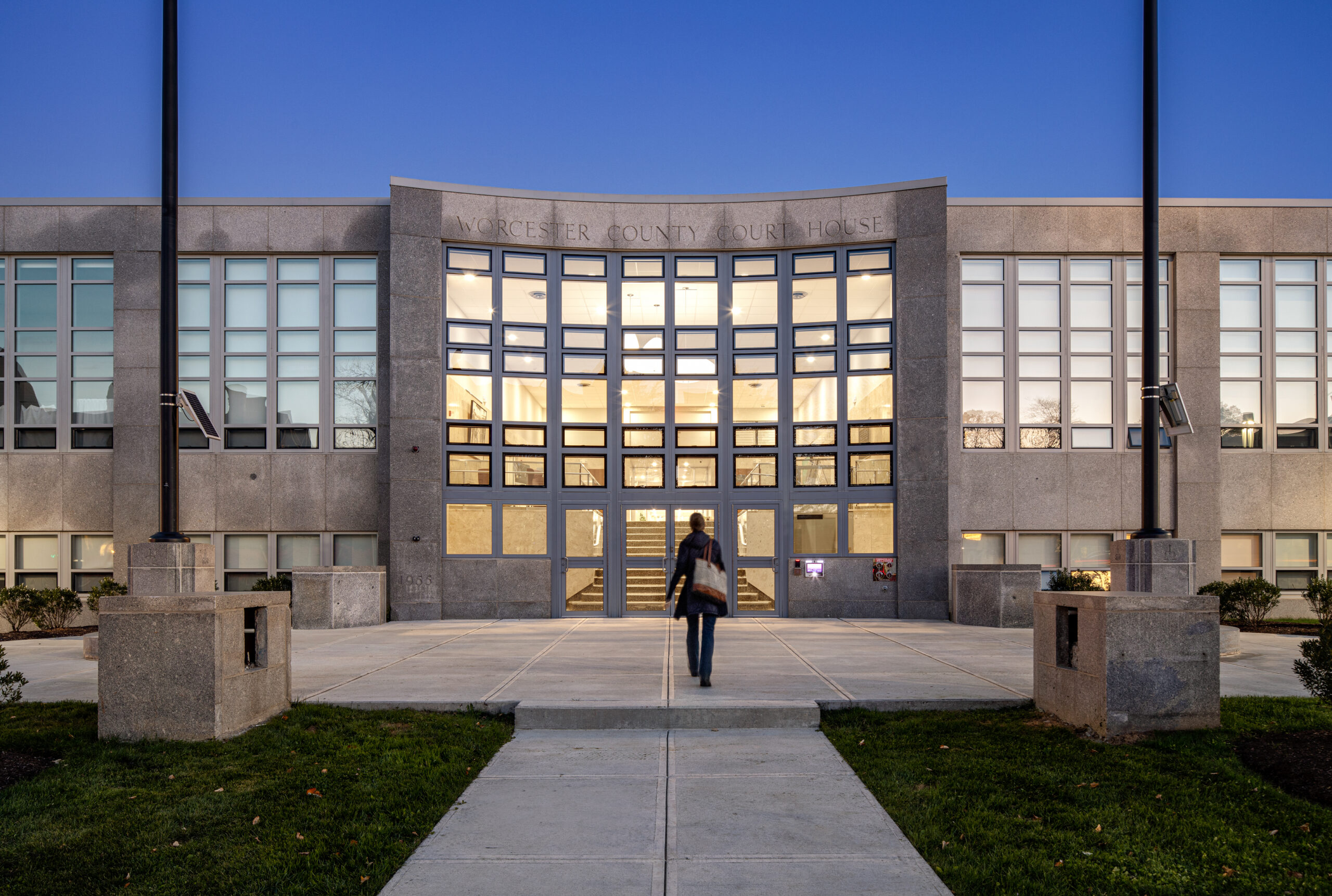
When the Worcester Courthouse was completed, VJ toured Tocci team members and their families through the building. It was a chance to show the people behind the work what they helped bring back to life.
Adaptive reuse isn’t just about buildings.
It’s about people.
It’s about continuity.
It’s about respecting what came before — and building responsibly for what comes next.
We also happen to love this work.
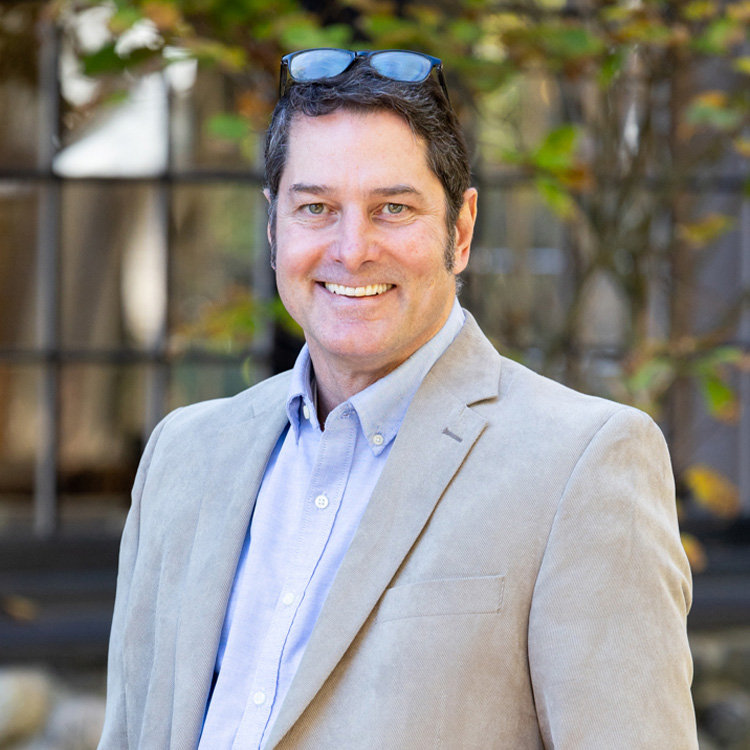
VJ Tocci – Director of Procurement | Adaptive Reuse + Historic Preservation
With over 30 years of experience in historic preservation and adaptive reuse, VJ Tocci has built a career around bringing new life to old buildings. His work spans mills, courthouses, industrial facilities, and complex urban renovations — projects where existing conditions demand rigor, creativity, and disciplined planning.
VJ specializes in navigating the technical and financial realities of reuse, from uncovering hidden conditions to leveraging historic tax credits and managing risk in aging structures. His approach balances respect for architectural character with a practical understanding of constructability and cost assurance.
At TOCCI, VJ plays a central role in shaping preconstruction strategy for adaptive reuse projects, helping clients understand what’s possible — and what it will truly take to get there.