









When a Building Can Save a Life
When a Building Can Save a Life: What Anti-Ligature Design Really Means
Most people never think about whether a door hinge, faucet, or towel bar could become a life-safety risk. In behavioral health environments, those details matter enormously.
That’s the foundation of anti-ligature design — the intentional elimination of any point in a space that could be used as an anchor for self-harm.
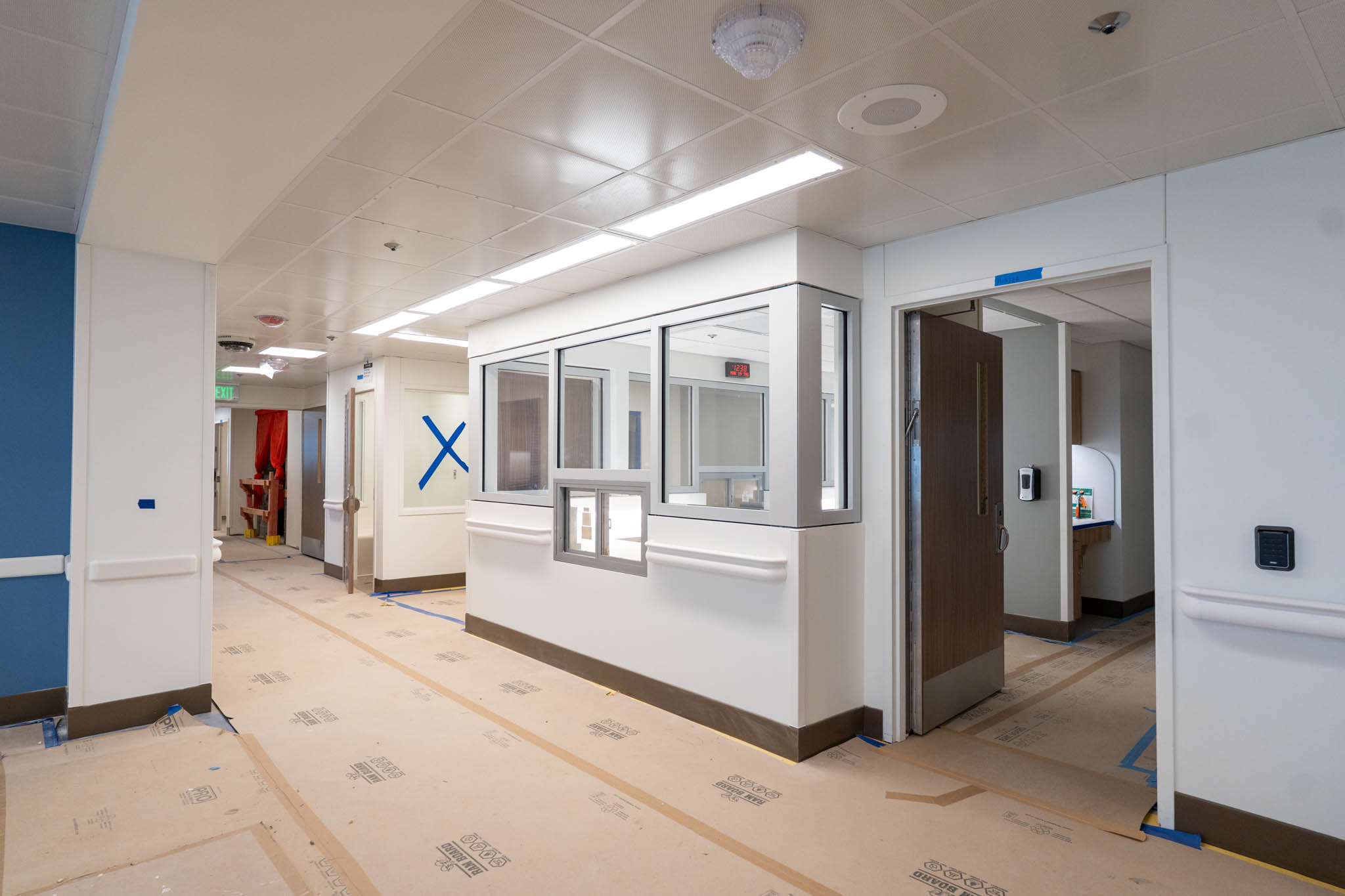
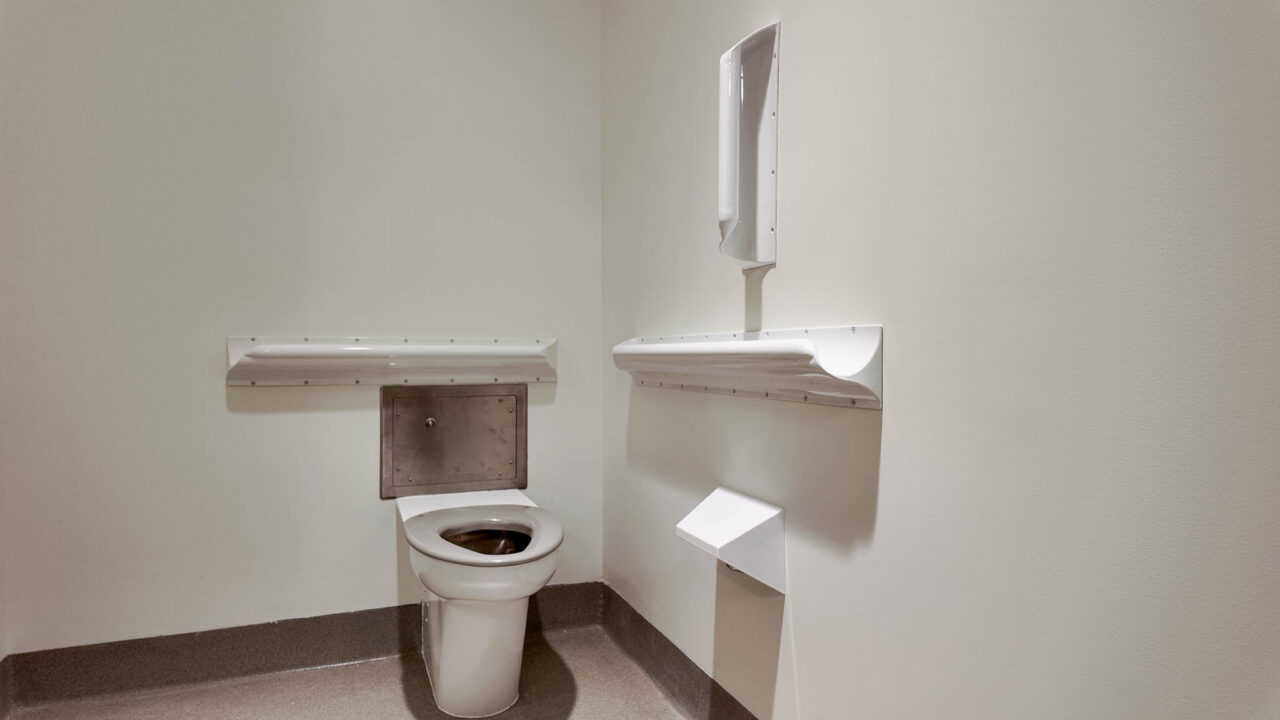
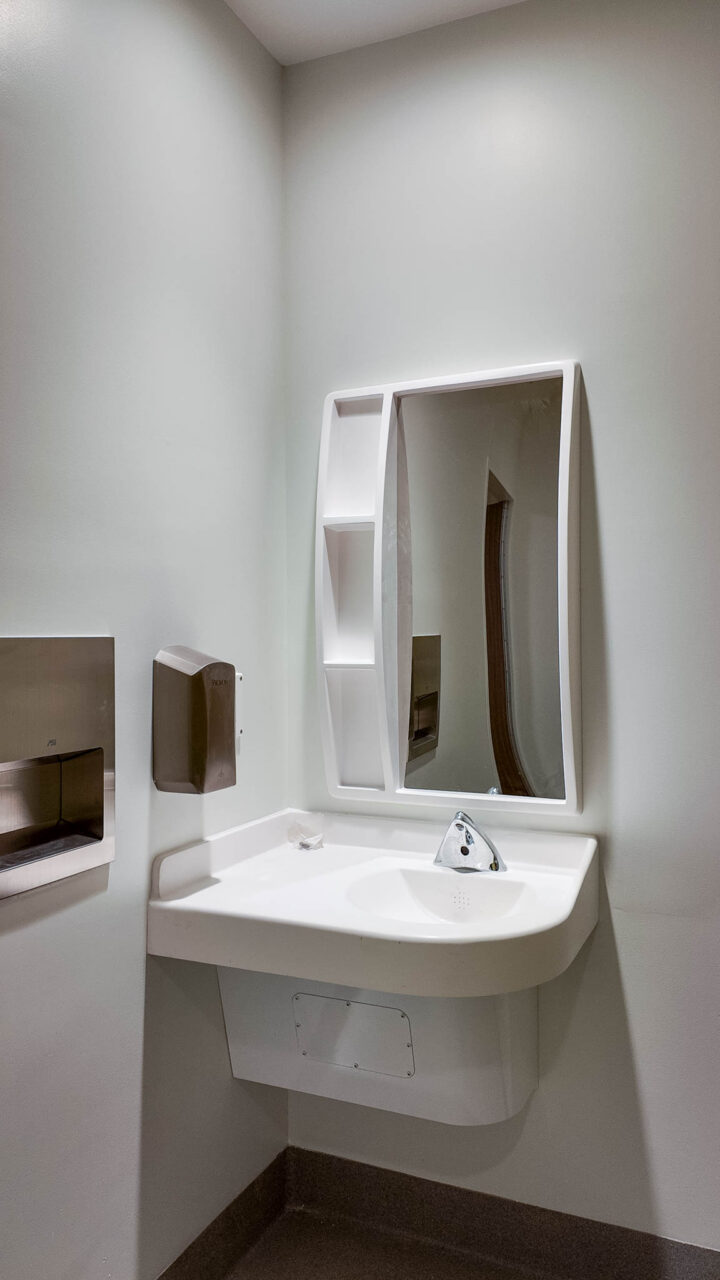
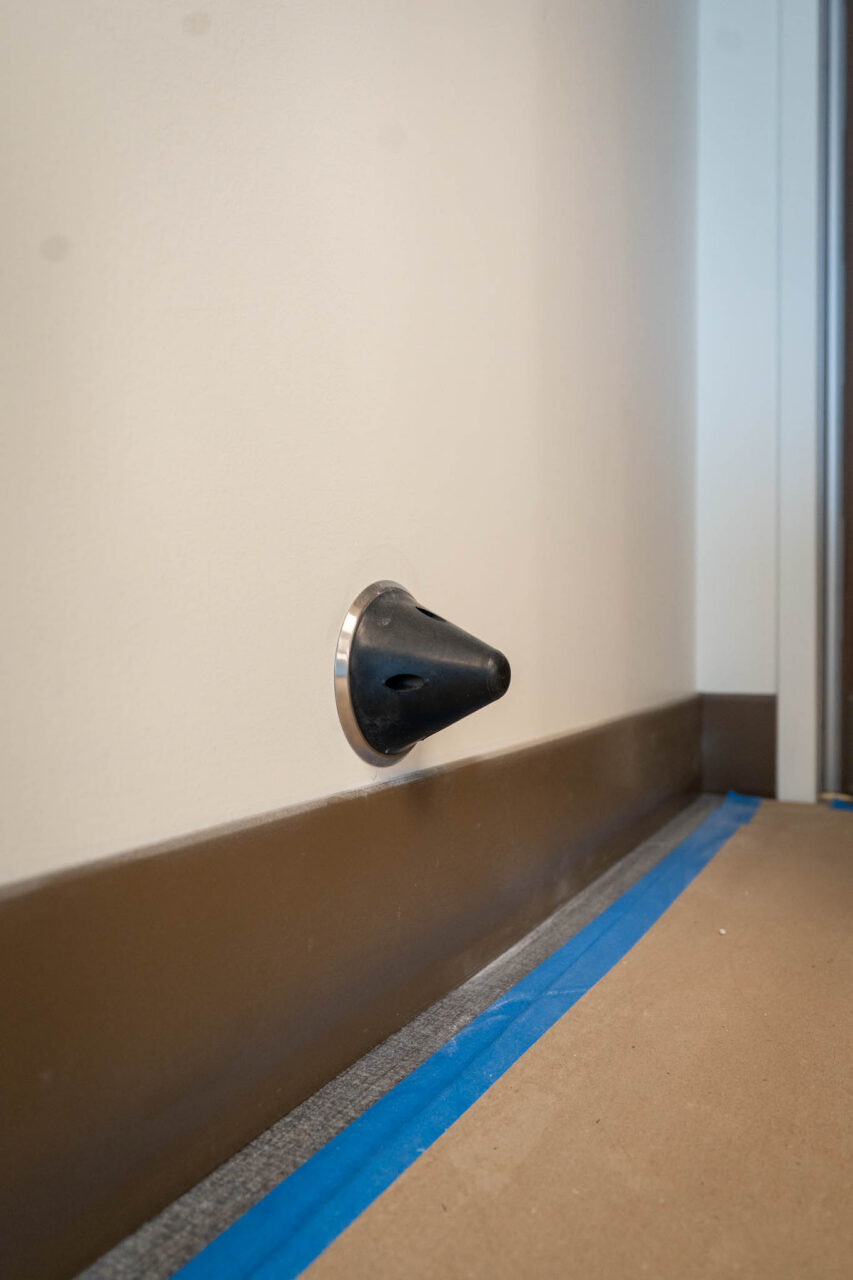
In practice, it shapes nearly every decision in a behavioral health facility: the angle of a door frame, the type of hardware on a window, whether a faucet has a neck, the profile of a coat hook, even the radius of a ceiling tile edge. Nothing is incidental.
Why it Matters More Than Most People Realize
Behavioral health patients are among the most vulnerable populations a building will ever serve. The physical environment is not just where care happens — it is an active part of care itself.
A well-designed space can reduce anxiety, support dignity, and remove opportunities for harm. A poorly considered one can do the opposite.
Loren Witzel, Project Manager at NEMD Architects, describes the challenge this way:
“Behavioral health patients are often bored and highly creative. Finding ways to engage them in a calming and positive way without giving them opportunities and tools for harming themselves or others is critical.”
That’s both a design challenge and a construction challenge.
Because the gap between a well-considered design and a safe, functioning environment is where things can go wrong — and that gap is either closed or opened in the field.
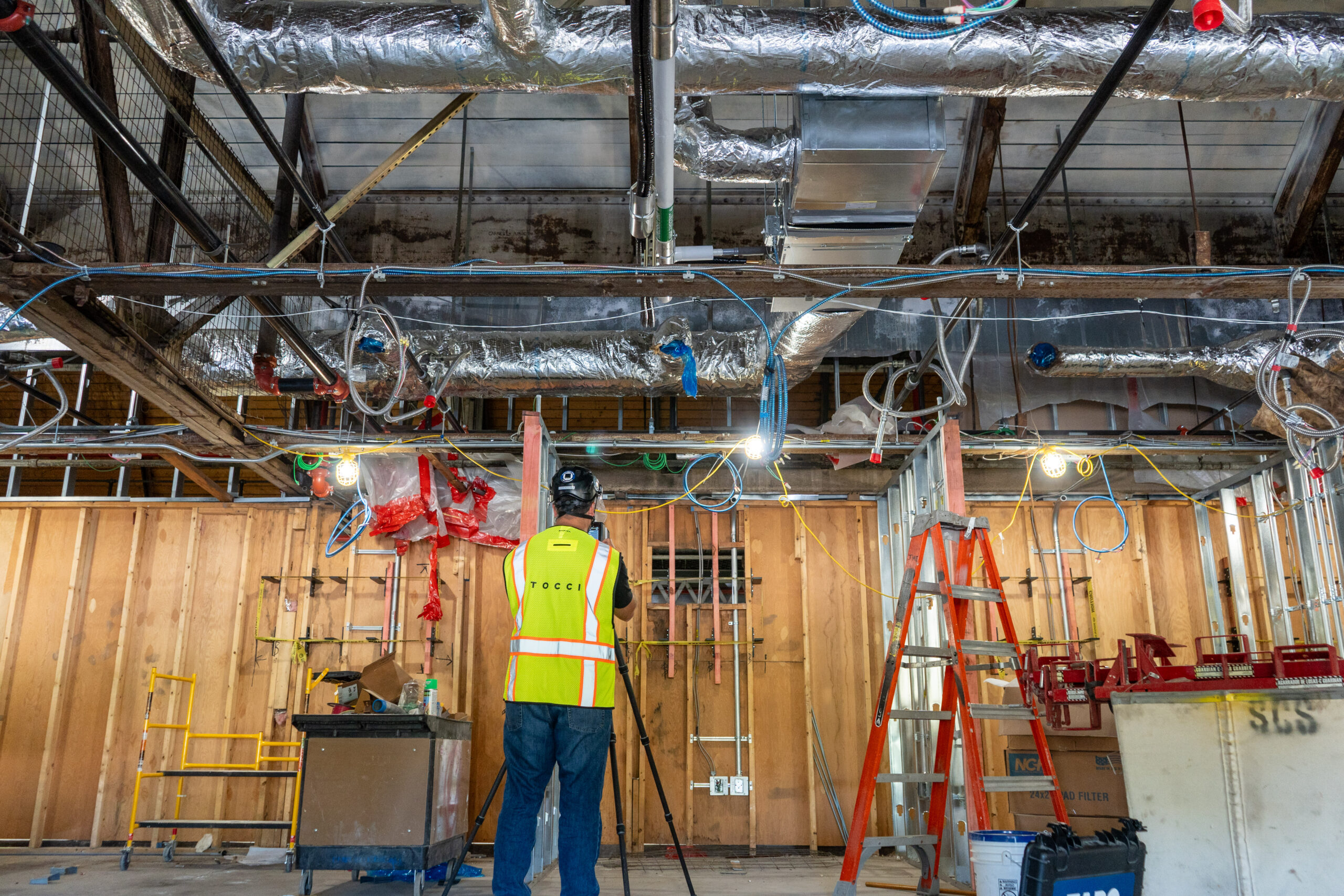
Details that appear minor on a drawing can have major implications in practice. Installation tolerances, field conditions, coordination between trades, and product interpretation all matter in environments where safety requirements are exceptionally precise.
This is why anti-ligature work cannot be treated as a checklist applied at the end of a project. The construction team has to understand not just what every detail is, but why it matters — so that clinical intent survives from the first design decision to the final fixture installation.
What This Looks Like in Practice
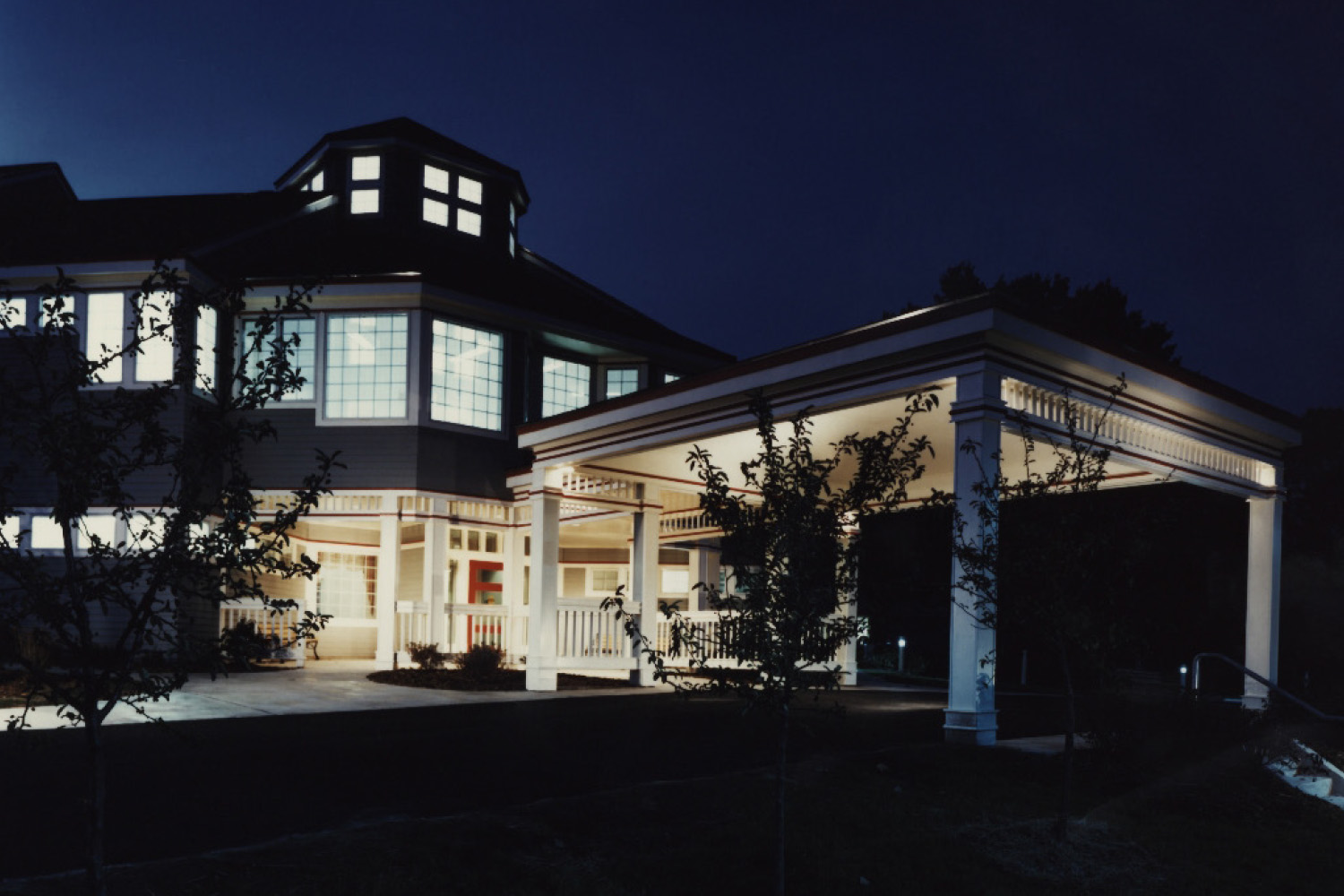
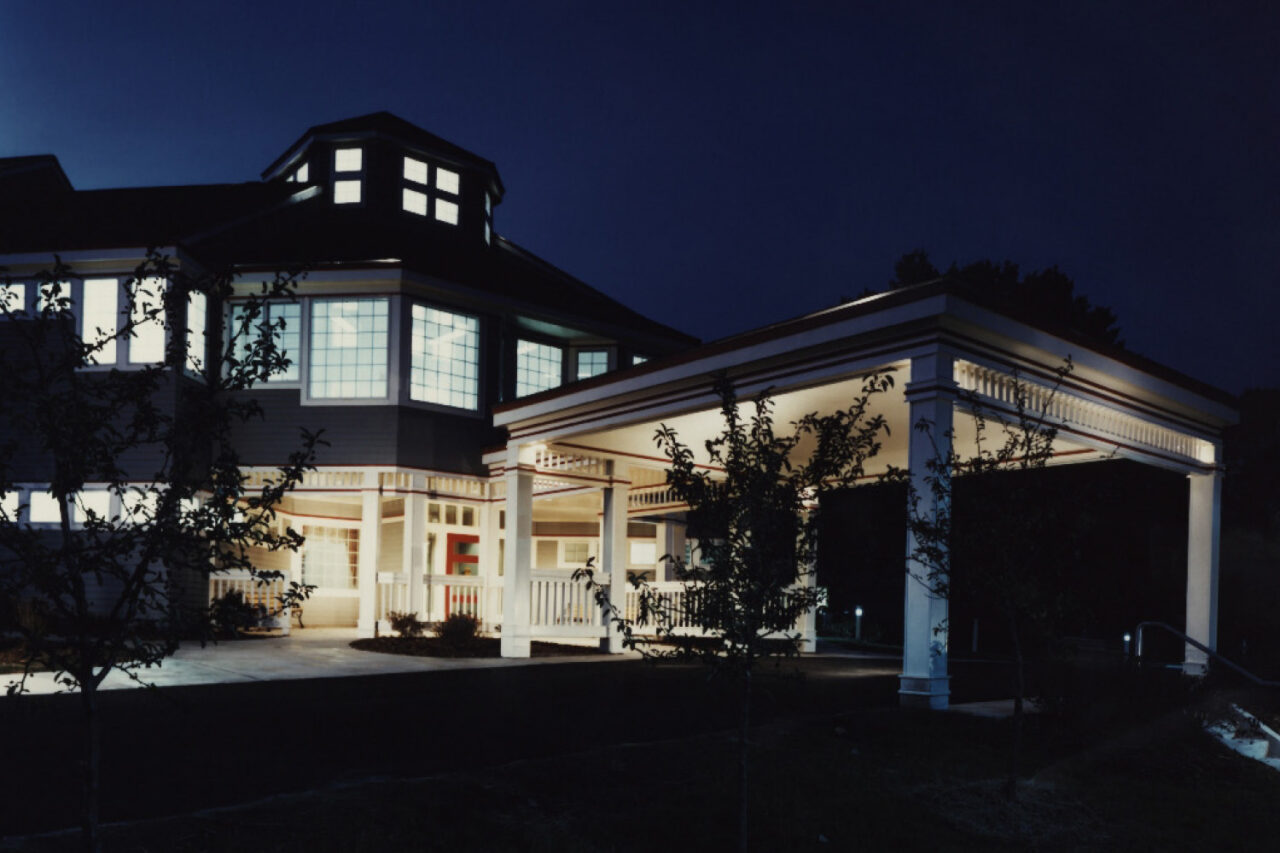
TOCCI is nearing completion on work at Eleanor Slater Hospital in Cranston, Rhode Island — one of the state’s primary facilities serving adults with complex behavioral health needs.
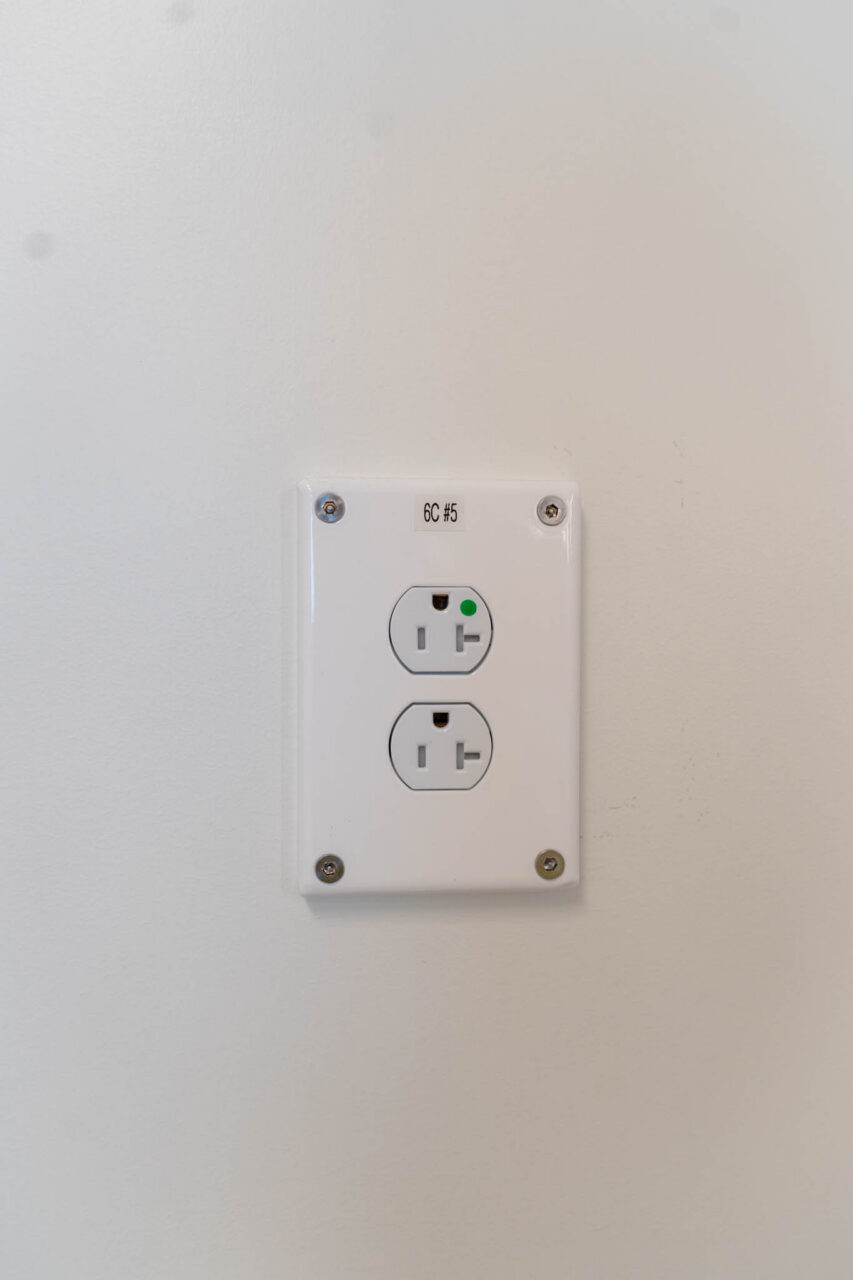
Every element of the environment is evaluated through an anti-ligature lens, from hardware and fixtures to patient rooms and common areas. The goal is to create spaces that feel safe, calm, and dignified for both patients and staff.
That’s a more complex design and construction challenge than many people realize.
At Eleanor Slater, it required constant coordination between the owner, clinical teams, architects, and field staff — resolving decisions in real time as conditions changed, with patient safety remaining the non-negotiable priority throughout the project.
Why We’re Talking About This
Demand for behavioral health facilities continues to grow, and owners and architects navigating this work are looking for construction partners who understand both the technical complexity and the human responsibility involved.
We’ve learned a great deal through our work at Eleanor Slater, and we’re still learning.
In behavioral health construction, details are never just details. The built environment can actively support safety, dignity, and healing — or undermine them. That responsibility changes the way we build.
We believe sharing what we’ve learned — including what challenged us along the way — is part of being a useful partner in this space.


Infinite possibilities in defined spaces
Let’s work together to future-proof your next project to perform and delight.