









660 Main Street
A Glimpse into History: Renovating the Guastavino Tile Factory
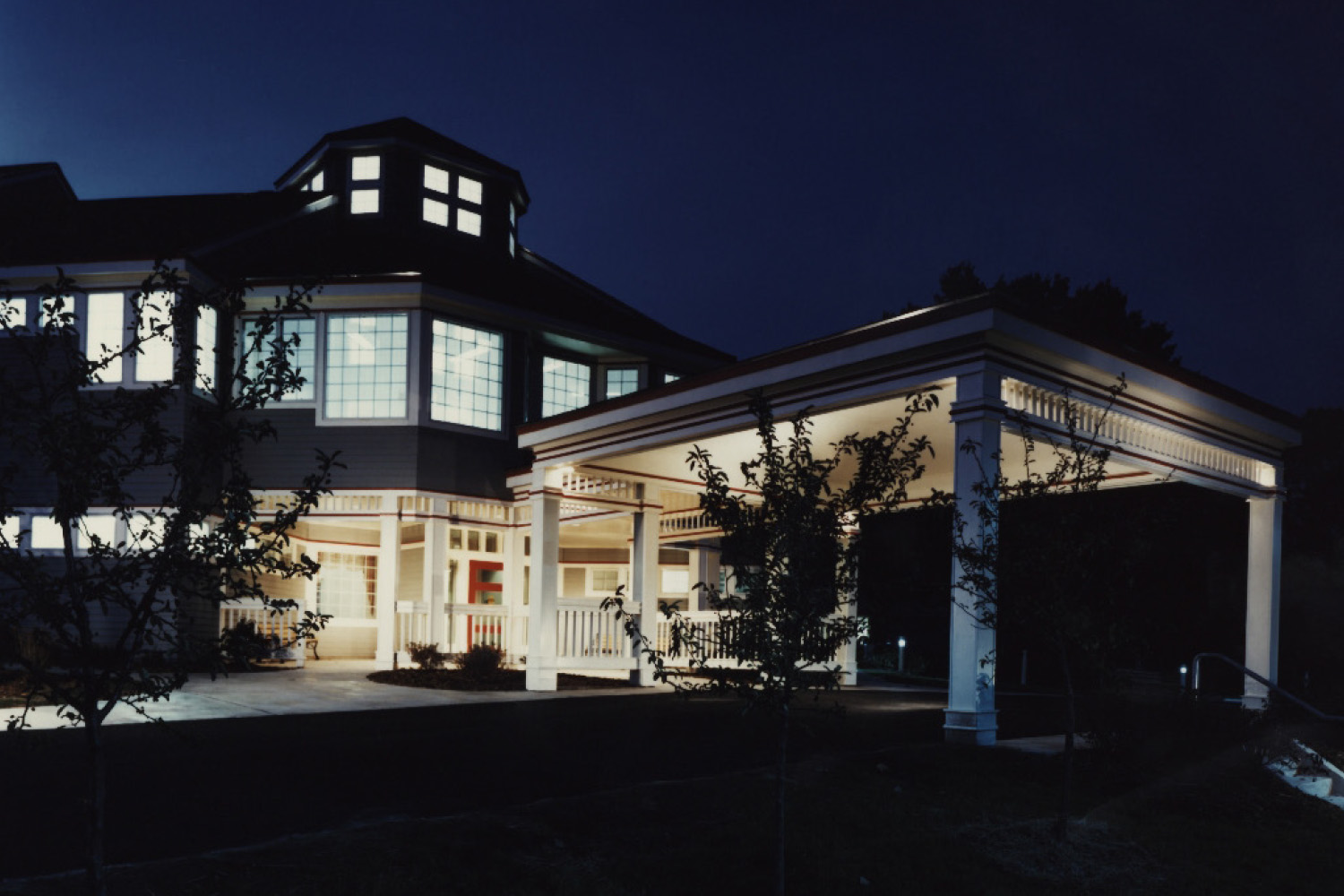
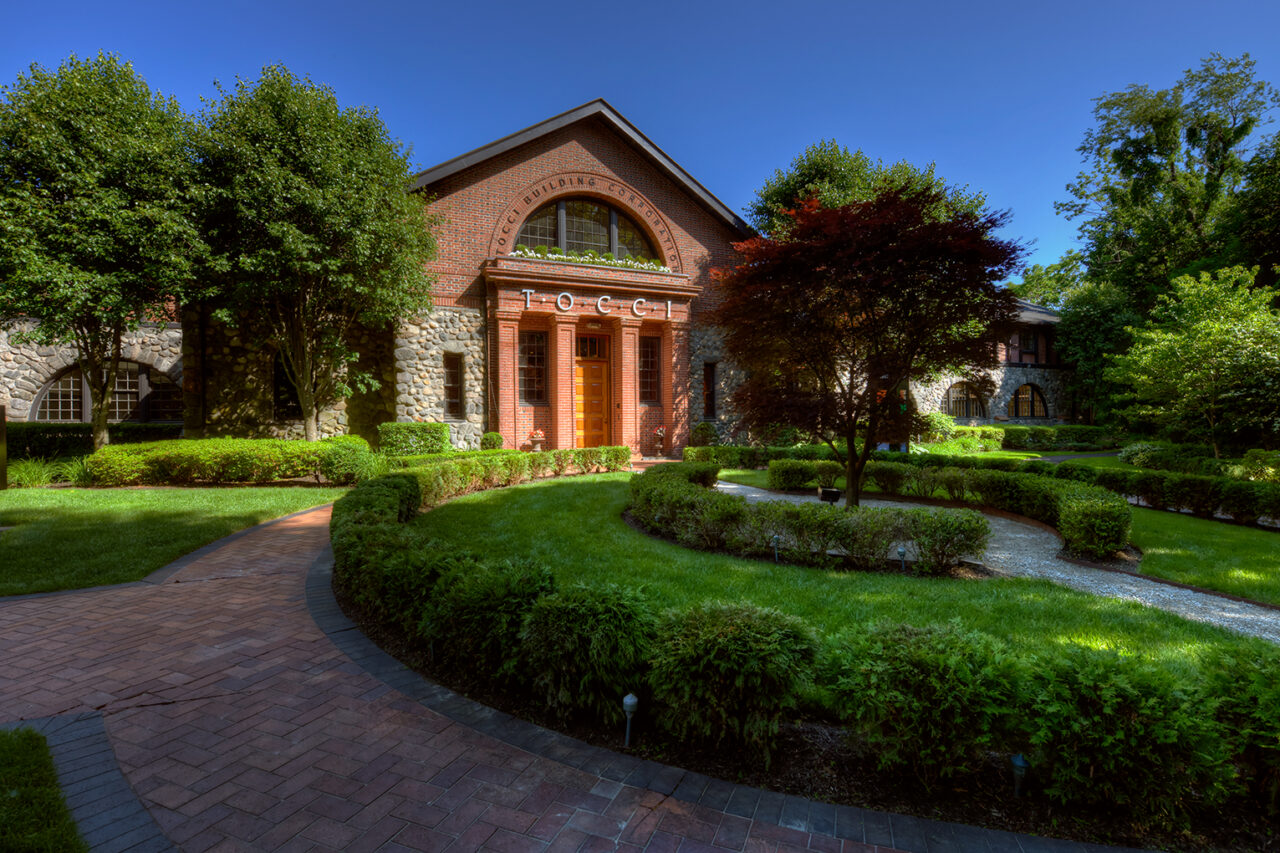
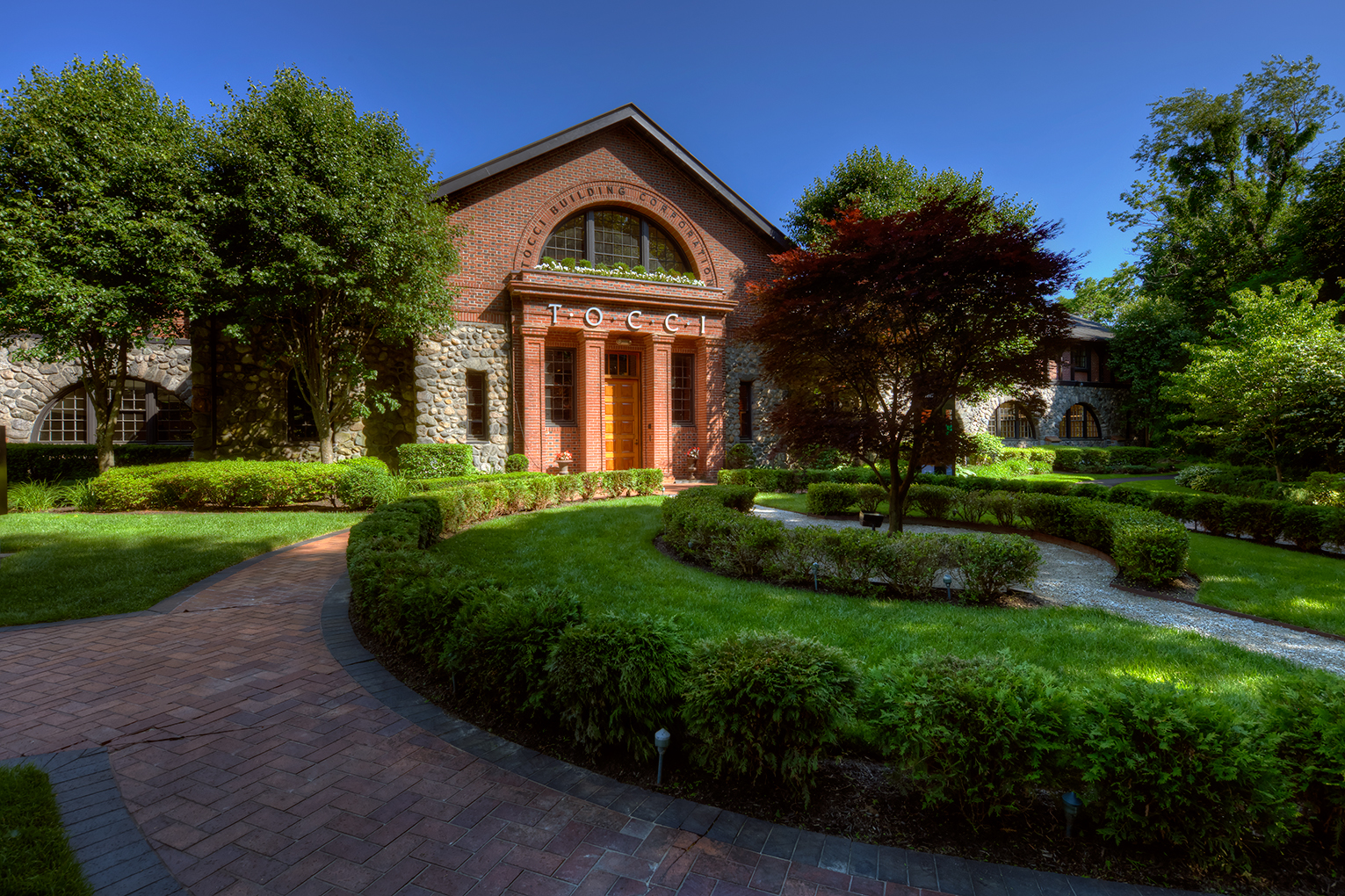
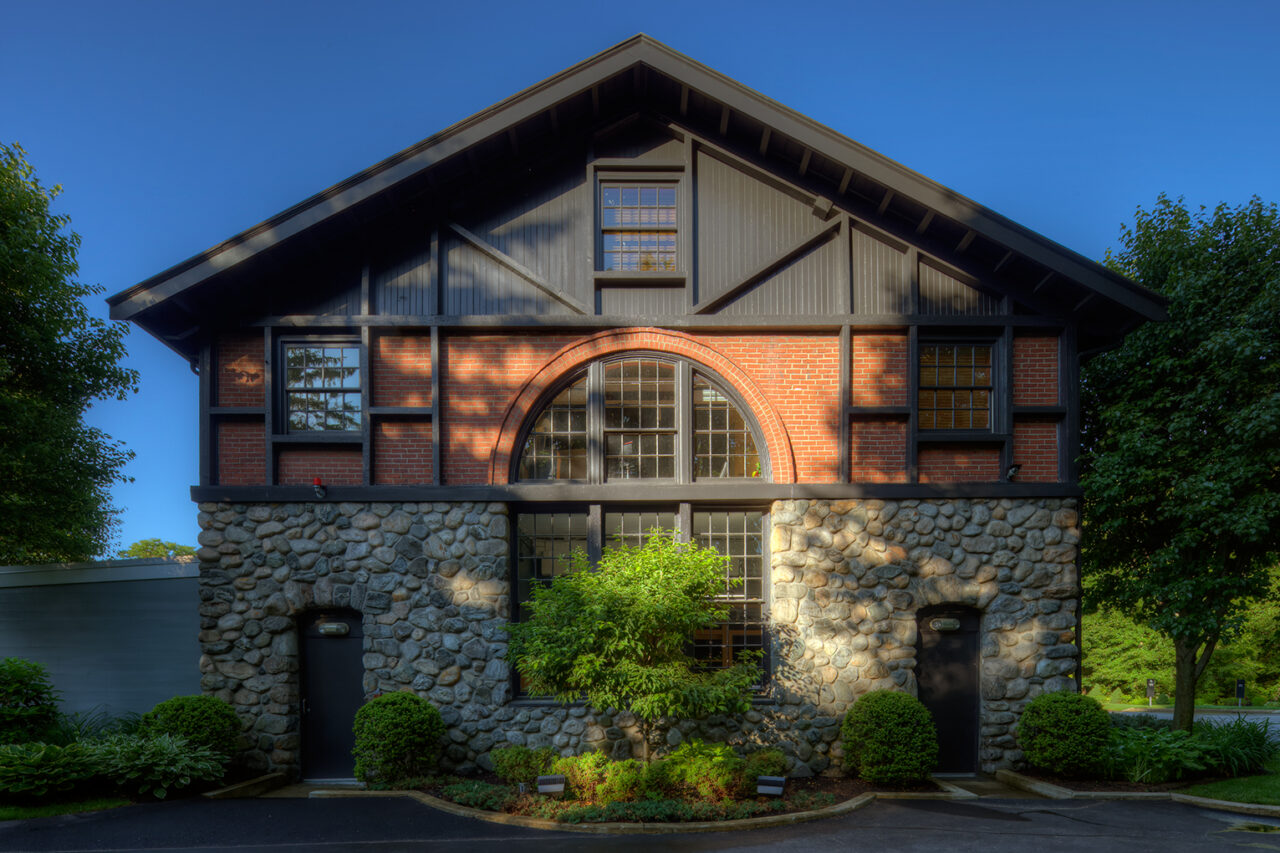
660 Main Street, originally constructed in 1906 by visionary Spanish engineer Raphael Guastavino + his son, Rafael Guastavino y Esposito II, once served as a tile factory producing the vaulted ceramic masterpieces found in over 1,000 historic U.S. buildings. Today, it is home to TOCCI.
- Location
- Woburn, MA
- Owner
- TOCCI
- Architect
- Bergmeyer & Associates


Breathing New Life into History
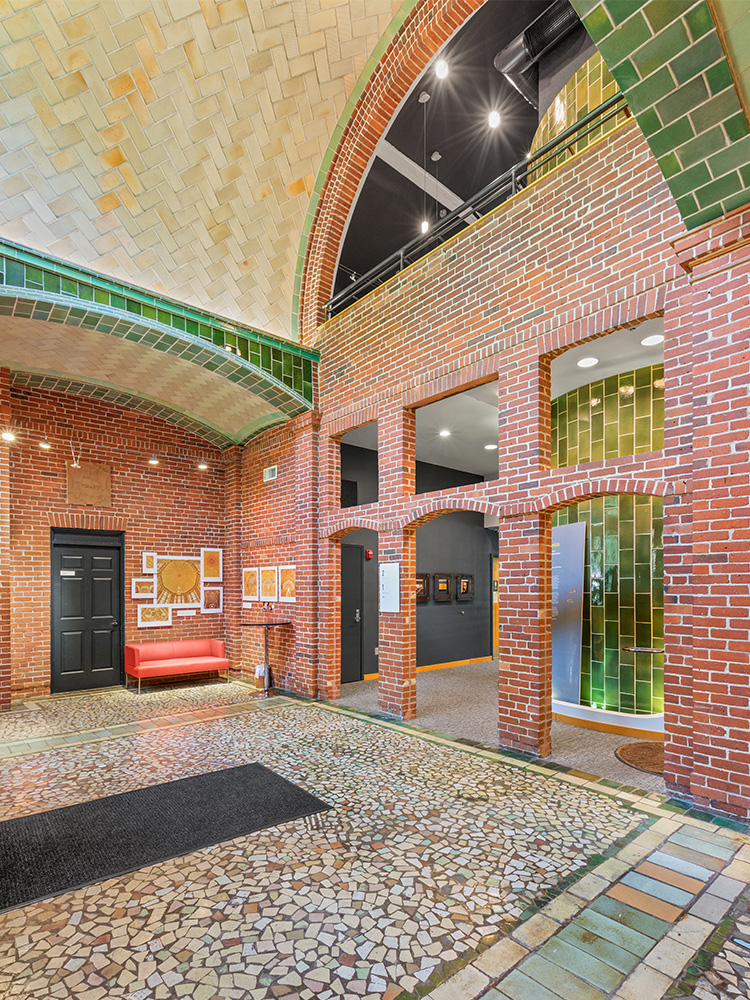
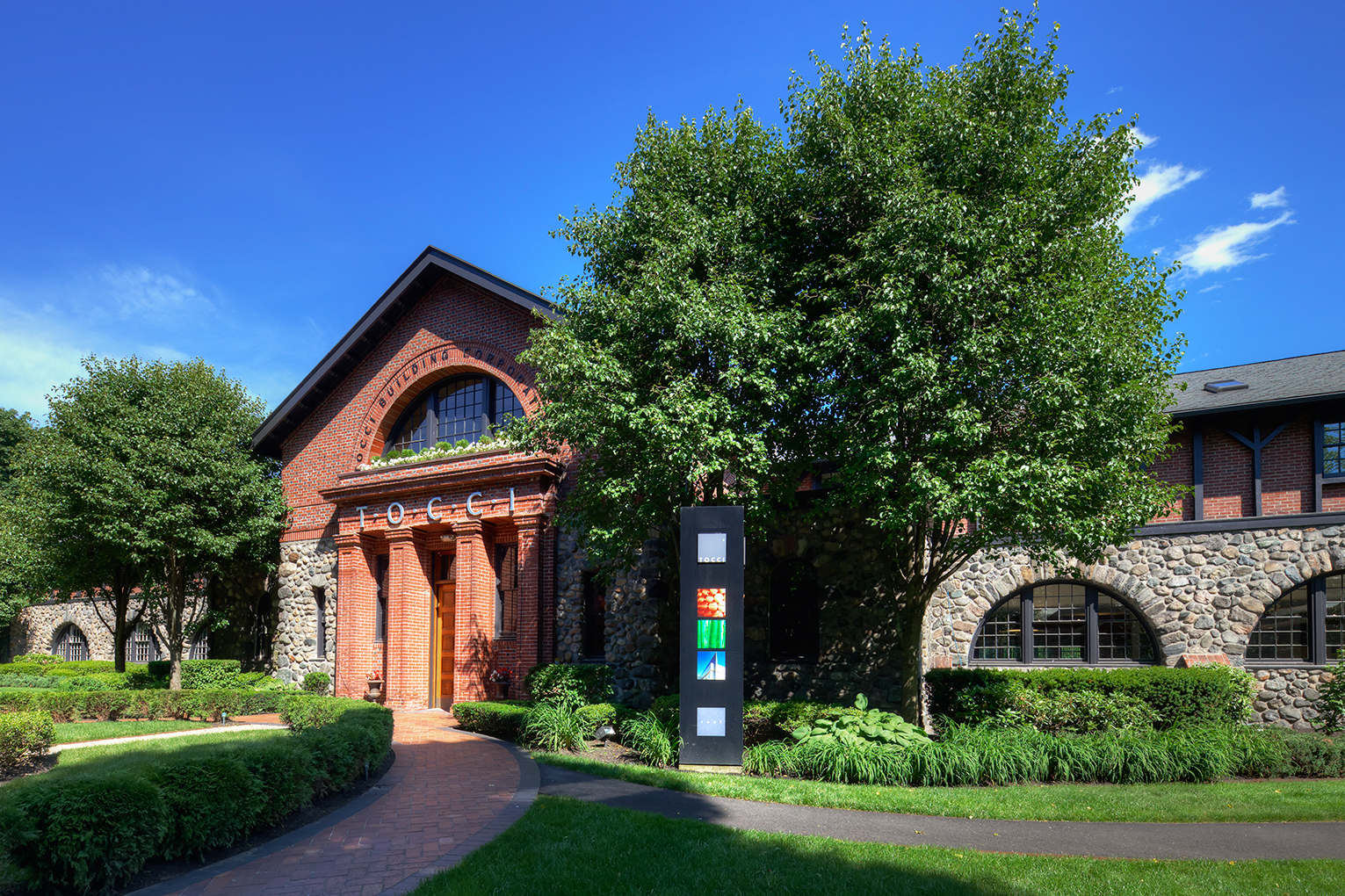
Every intervention needed to respect the building’s original craftsmanship while enabling contemporary systems, layouts, and performance standards. Working with Bergmeyer & Associates, the renovation safeguarded the industrial character—brick archways, stone walls, and timber ceilings—while creating open, flexible, and light-filled spaces ready for modern-day use.
When John Tocci purchased the former Guastavino Tile Factory in 1999, it was in disrepair. Drop ceilings hid vaulted tile arches, fire damage scarred the interiors, and a closed-off layout masked the building’s character. TOCCI stripped away unsightly additions and worked with the Historic Commission to preserve its architectural integrity.
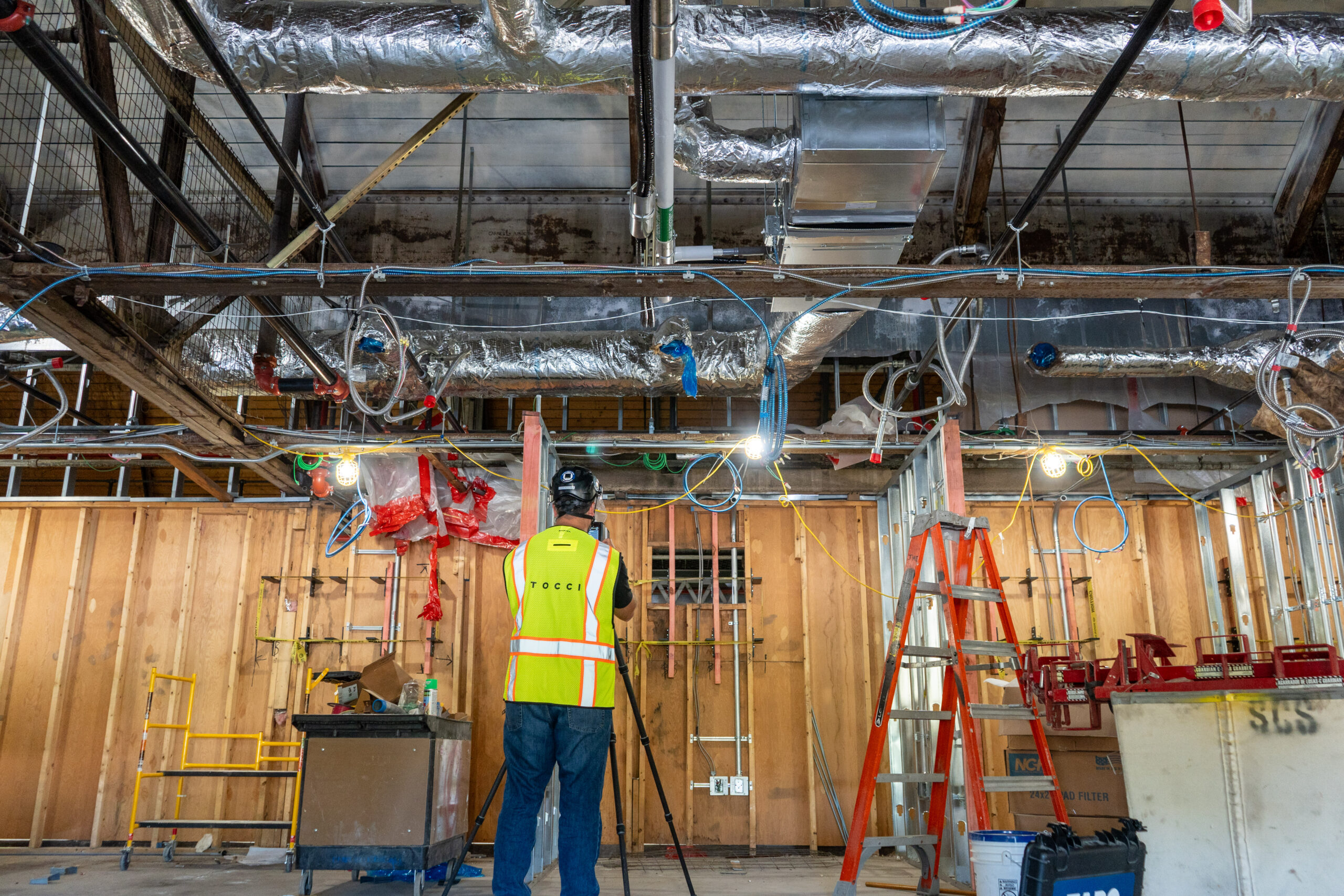
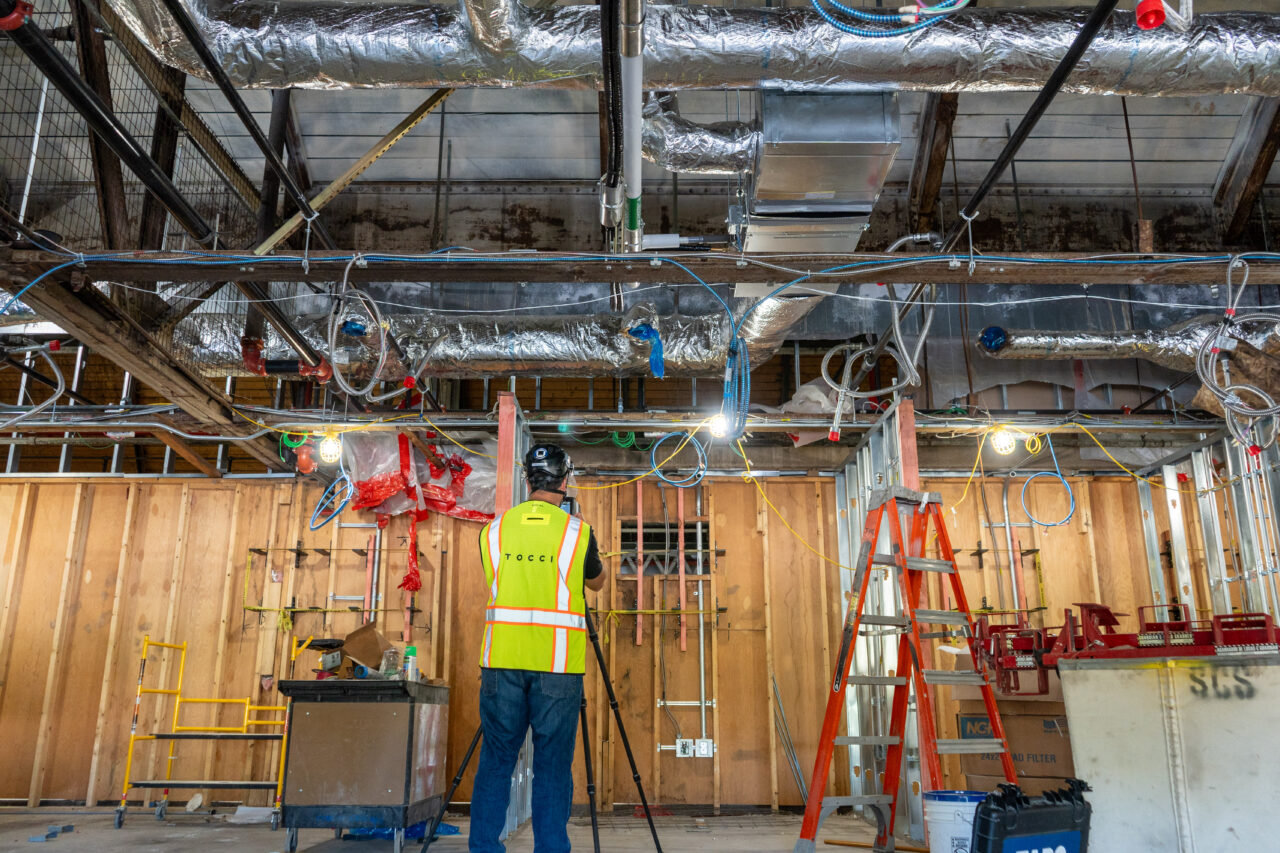
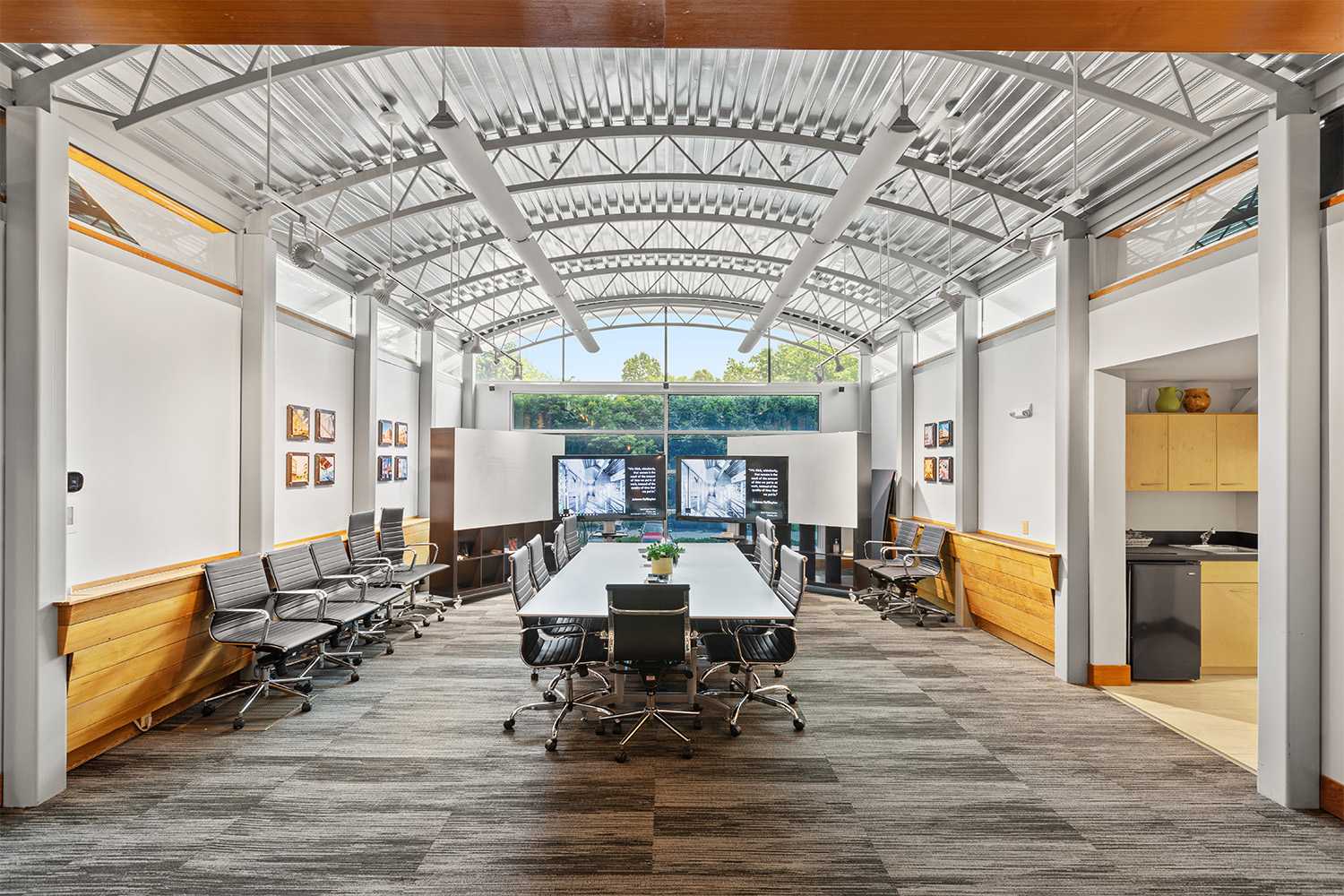
The team undertook a full gut, removing partitions and rehabilitating damaged tile to reveal the soaring Guastavino arches. Restored brick, stone, and timber ceilings were brought back to life, while outdated layouts were replaced with open, light-filled spaces that highlight the building’s craftsmanship and accommodate modern workplace functions.
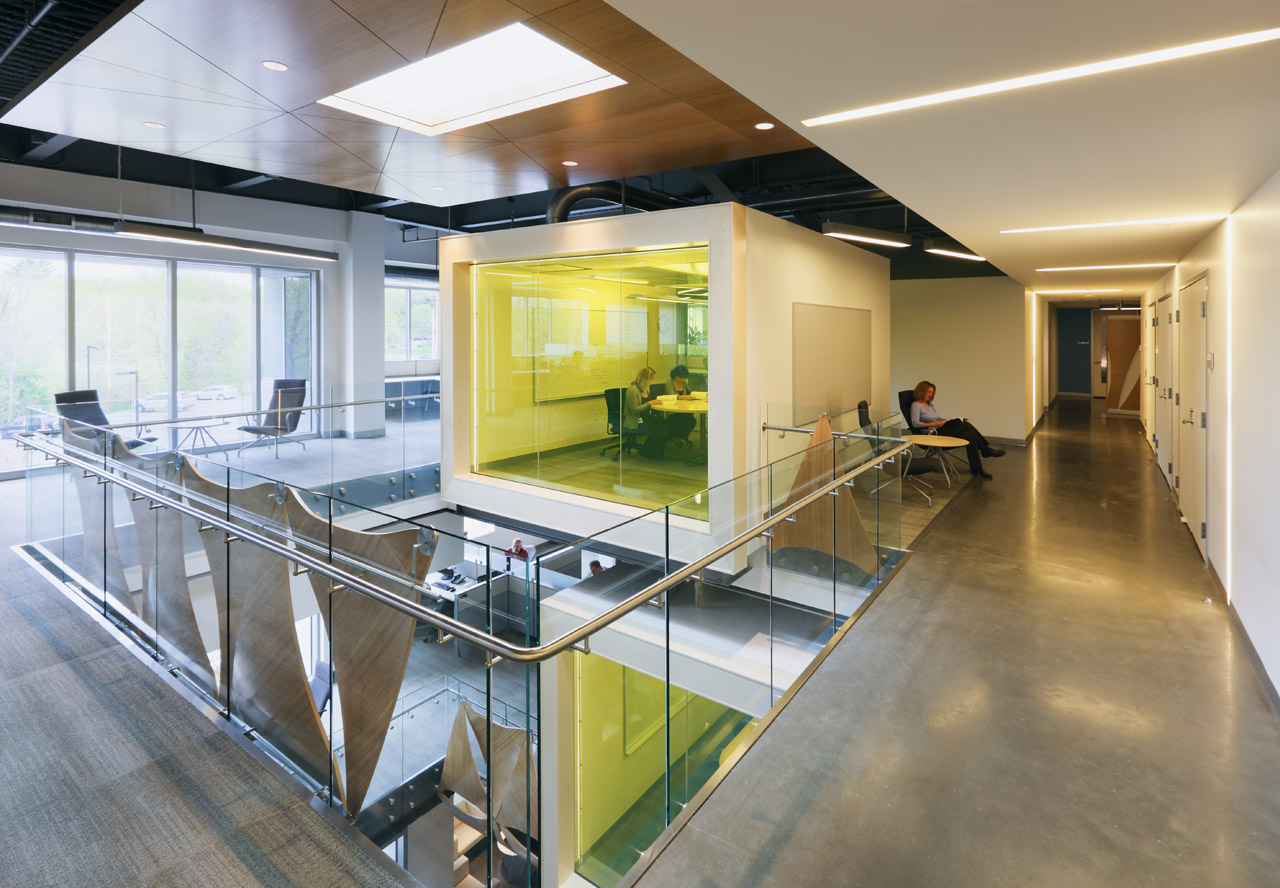
Today, the building serves dual purposes: tenant office space on the first floor and TOCCI’s headquarters upstairs. The design celebrates a mix of old and new— historic masonry and timber alongside glass-front offices, a café, and collaborative areas—creating a workplace that blends architectural heritage with contemporary efficiency.

From Factory to Landmark
Designed with Guastavino’s signature vaulted tile and masonry, the factory stands as one of the few surviving industrial works linked to his architectural legacy. The building’s design is not only a remnant of turn-of-the-century construction but also an enduring example of artistry that shaped iconic spaces like Grand Central Terminal and the Boston Public Library

The Guastavino Legacy
The Boston Public Library earned Rafael Guastavino Sr. widespread recognition, leading to commissions for some of the nation’s most iconic civic spaces. To meet the growing demand for his distinctive ceramic tile vaulting, Guastavino built a production facility in Woburn, Massachusetts—first in a repurposed church, which by 1903 was producing over 200,000 tiles annually, and by 1906, in a dedicated factory designed by his son, Rafael Guastavino y Esposito II.
Father and son together secured 24 patents and left an indelible mark on American architecture. Their vaulted ceilings, domes, and arches grace hundreds of landmarks now on the National Register of Historic Places.
The family’s story came full circle in 1917 when Guastavino II was commissioned to rebuild the Ellis Island Great Hall—the gateway he had passed through as a child. Its soaring 17-meter vault, made of nearly 29,000 tiles, remains one of the strongest and most beautiful examples of Guastavino construction.
Infinite possibilities in defined spaces
Let’s work together to future-proof your next project to perform and delight.